
“Zen in the Art of Archery” explores a profound connection between Zen Buddhism and the discipline of archery‚ offering insights into mindful practice.
The book’s PDF version is widely sought after‚ reflecting its enduring appeal and accessibility for modern readers seeking enlightenment through focused action.
Historical Context of the Book
“Zen in the Art of Archery”‚ originally published in German in 1948 and translated into English in 1953‚ emerged from a post-World War II Japan grappling with cultural re-evaluation. Eugen Herrigel‚ a German philosopher‚ meticulously documented his experiences learning Kyudo‚ traditional Japanese archery.
The book wasn’t merely a technical manual; it was a philosophical exploration of Zen principles manifested through the practice. The availability of a Zen in the Art of Archery PDF has broadened access to this historical document‚ allowing contemporary readers to engage with Herrigel’s observations and the cultural milieu that shaped them. It reflects a period of intense introspection and a search for meaning beyond material concerns.
The Author: Eugen Herrigel
Eugen Herrigel (1889-1975) was a German philosopher and professor who spent several years in Japan during the 1920s and 1930s. He became deeply fascinated with Zen Buddhism and‚ crucially‚ Kyudo – Japanese archery. His unique perspective‚ as a Westerner immersed in Japanese culture‚ allowed him to articulate the subtle nuances of Zen practice in a way accessible to a Western audience.
The enduring popularity of the Zen in the Art of Archery PDF stems‚ in part‚ from Herrigel’s ability to bridge these cultural divides‚ offering a compelling narrative of self-discovery through disciplined practice.
Core Philosophy: Zen Buddhism and Archery
“Zen in the Art of Archery” doesn’t present archery as merely a sport‚ but as a vehicle for spiritual awakening. The core philosophy centers on achieving a state of Mushin – “no-mind” – where the archer acts intuitively‚ free from conscious thought or ego. This aligns with Zen Buddhism’s emphasis on direct experience and transcending the rational mind.
Accessing the Zen in the Art of Archery PDF allows readers to delve into this profound connection‚ understanding how the discipline of archery mirrors the path to enlightenment‚ demanding complete presence and letting go of control.

Understanding Zen Principles
Zen principles like Mushin and Zanshin are central to the book’s teachings‚ explored in detail within the Zen in the Art of Archery PDF for deeper understanding.
Mushin (No-Mind)
Mushin‚ often translated as “no-mind‚” is a core concept in Zen Buddhism and crucial to understanding “Zen in the Art of Archery.” It doesn’t imply emptiness‚ but rather a state of mind free from conscious thought‚ calculation‚ or ego during action.
The Zen in the Art of Archery PDF elaborates on how achieving Mushin allows the archer to react purely instinctively‚ guided by years of training. This state transcends deliberate aiming‚ enabling a natural‚ effortless release. It’s about being fully present‚ responding to the situation without interference from the thinking mind. The PDF emphasizes that Mushin isn’t something to achieve‚ but a natural outcome of dedicated practice.
Zanshin (Remaining Mind)
Zanshin‚ meaning “remaining mind‚” complements Mushin in “Zen in the Art of Archery.” While Mushin describes the state during the action‚ Zanshin refers to the continued awareness after the action is completed. The Zen in the Art of Archery PDF details how this isn’t simply relaxation‚ but a sustained‚ alert presence.
It’s a readiness to respond to any eventuality‚ a vigilance that doesn’t diminish with the release of the arrow. Zanshin ensures the archer remains connected to the situation‚ observing the outcome without attachment. The PDF highlights that cultivating Zanshin is vital for continuous improvement and embodies a holistic approach to archery and life.
Shikentaza (Just Sitting) ⎻ Relevance to Archery
Shikentaza‚ or “just sitting‚” is a core Zen meditative practice detailed within the “Zen in the Art of Archery” PDF. It involves sitting in stillness‚ without focusing on any particular object or thought‚ simply being present. Herrigel illustrates how this seemingly passive practice directly translates to archery.
The ability to quiet the mind‚ cultivated through Shikentaza‚ allows the archer to act intuitively‚ free from conscious interference. The PDF emphasizes that this isn’t about achieving a blank mind‚ but about observing thoughts without judgment‚ mirroring the archer’s detached focus during the shot. It’s a foundational element for achieving Mushin.

The Archery Technique as a Path to Enlightenment
“Zen in the Art of Archery”’s PDF reveals how mastering archery isn’t about hitting the target‚ but about self-discovery and achieving a higher state of consciousness.
The Importance of Form and Posture
“Zen in the Art of Archery”’s PDF emphasizes that correct form and posture aren’t merely technical requirements‚ but crucial elements in achieving mushin – a state of “no-mind.” The book details how meticulous attention to physical alignment facilitates a deeper connection with the bow and arrow.
Herrigel illustrates that proper posture isn’t rigid‚ but rather a dynamic balance‚ allowing for intuitive and effortless movement. This physical discipline mirrors the mental discipline required for Zen practice‚ ultimately leading to a transcendence of self-consciousness; The PDF highlights how form becomes a vehicle for spiritual growth‚ dissolving the boundary between archer and act.
The Role of the Bow and Arrow
“Zen in the Art of Archery’s” PDF reveals the bow and arrow aren’t simply tools for hitting a target‚ but extensions of the archer’s being. Herrigel describes them as instruments for self-discovery‚ demanding complete presence and focused intention. The act of drawing the bow becomes a meditative practice‚ a physical manifestation of inner stillness.
The PDF stresses that mastering the bow requires surrendering to its inherent nature‚ allowing it to guide the archer rather than the other way around. This reciprocal relationship embodies the Zen principle of non-duality‚ where the self and the object become one‚ dissolving the ego and revealing true skill.
The Process of Drawing the Bow
“Zen in the Art of Archery’s” PDF details drawing the bow as far more than a mechanical action; it’s a complete integration of body and mind. Herrigel emphasizes the importance of mushin – a state of “no-mind” – where conscious thought dissolves‚ allowing intuition to guide the movement. The archer doesn’t aim; they become the arrow’s trajectory.
The PDF illustrates that each stage‚ from stance to release‚ must be performed with unwavering focus and deliberate slowness. This isn’t about physical strength‚ but about cultivating inner stillness and allowing the bow to draw itself‚ embodying the Zen ideal of effortless action and complete presence.

Key Concepts in the Book
“Zen in the Art of Archery’s” PDF reveals core ideas like “letting go‚” the “how” over the “what‚” and the vital teacher-student dynamic for enlightenment.
The “How” vs. the “What”
Herrigel’s central argument‚ readily accessible within the “Zen in the Art of Archery” PDF‚ distinguishes between focusing on the what – hitting the target – and the how – the correct execution of the technique. He posits that obsession with results hinders true progress.
The emphasis shifts from achieving a specific outcome to perfecting the process itself. This mirrors Zen principles‚ where the journey is paramount. The PDF illustrates how striving for the “what” creates tension‚ while embracing the “how” fosters a state of mushin (no-mind)‚ allowing for spontaneous‚ accurate action. True mastery arises not from willful effort‚ but from effortless‚ correct form.
The Concept of “Letting Go”
“Letting go‚” a core tenet explored within the “Zen in the Art of Archery” PDF‚ transcends mere physical release of the bowstring. It signifies surrendering the ego’s control and attachment to outcome. The archer must relinquish conscious striving‚ allowing the bow to “shoot” itself‚ guided by ingrained technique and intuition.
This echoes Zen’s emphasis on non-attachment. The PDF details how clinging to expectations creates tension‚ disrupting the flow. True skill emerges when the archer dissolves into the act‚ becoming one with the bow‚ arrow‚ and target. This surrender isn’t passive; it’s the culmination of rigorous training and mindful presence.
The Teacher-Student Relationship
The “Zen in the Art of Archery” PDF profoundly illustrates the crucial role of the teacher (sensei) in guiding the student’s path. Herrigel’s narrative centers on his complex relationship with his archery master‚ emphasizing that true learning extends beyond technical instruction. The sensei doesn’t offer direct answers but challenges the student to discover truth independently.
This dynamic‚ detailed within the PDF‚ embodies Zen’s transmission of wisdom. The teacher’s silence‚ seemingly harsh critiques‚ and indirect guidance are designed to dismantle the student’s preconceived notions. It’s a relationship built on trust‚ perseverance‚ and a shared commitment to self-discovery through the art of archery.

Practical Applications of Zen Archery
“Zen in the Art of Archery” PDF reveals principles applicable beyond the range‚ fostering focus‚ concentration‚ and overcoming self-doubt in daily life through mindful practice.
Beyond Archery: Applying Zen to Daily Life
“Zen in the Art of Archery” PDF demonstrates that the lessons learned on the archery field extend far beyond the physical act of shooting. The core principles – mindfulness‚ letting go‚ and embracing the “now” – are universally applicable.
Readers discover how to cultivate a similar state of focused awareness in everyday tasks‚ from professional endeavors to personal relationships. The book encourages a shift in perspective‚ viewing life’s challenges not as obstacles to overcome‚ but as opportunities for growth and self-discovery.
By internalizing the Zen approach‚ individuals can navigate stress‚ enhance concentration‚ and find a deeper sense of purpose and tranquility in their daily routines‚ mirroring the archer’s calm focus.
Focus and Concentration Techniques
“Zen in the Art of Archery” PDF details techniques for achieving unwavering concentration‚ central to both archery and mindful living. Herrigel emphasizes “mushin‚” or “no-mind‚” a state of being fully present without conscious thought or distraction.
This isn’t about emptying the mind‚ but rather about allowing intuition to guide action. The book advocates for rigorous‚ repetitive practice to internalize proper form‚ freeing the conscious mind to focus solely on the present moment.
Readers can apply these principles through meditation‚ mindful breathing exercises‚ and deliberate attention to detail in daily activities‚ cultivating a heightened sense of awareness and mental clarity.
Overcoming Obstacles and Self-Doubt
The “Zen in the Art of Archery” PDF reveals how self-doubt and striving for perfection hinder true progress. Herrigel illustrates that attachment to outcomes creates tension‚ disrupting the natural flow of action. The core lesson involves accepting imperfection and embracing the process‚ rather than fixating on results.
Obstacles are viewed not as impediments‚ but as opportunities for growth and self-discovery. Through dedicated practice and surrendering to the “Way‚” archers – and readers – learn to transcend limiting beliefs and cultivate unwavering confidence.
This acceptance fosters a resilient mindset‚ enabling one to navigate challenges with equanimity and grace.

Criticisms and Interpretations
“Zen in the Art of Archery” PDF interpretations vary‚ facing critique for potential Western misinterpretations of Zen and concerns regarding cultural appropriation within its narrative.
Western Misunderstandings of Zen
The “Zen in the Art of Archery” PDF often sparks debate regarding Western comprehension of Zen principles. Critics suggest a tendency to romanticize or selectively interpret Zen‚ focusing on its aesthetic aspects while overlooking its rigorous discipline and philosophical depth.
Some argue that the book’s popularity contributes to a superficial understanding‚ reducing Zen to a technique for self-improvement rather than a comprehensive worldview. The translation itself may introduce biases‚ shaping how Western readers perceive the original concepts. Furthermore‚ the emphasis on individual achievement can clash with Zen’s core tenets of egolessness and interconnectedness‚ leading to misinterpretations of the practice.
The Book’s Influence on Western Thought
“Zen in the Art of Archery’s” PDF dissemination significantly impacted Western thought‚ particularly in the mid-20th century. It introduced Zen Buddhism to a broader audience‚ influencing fields like psychology‚ sports‚ and management. The book’s emphasis on mindfulness‚ “no-mind‚” and the process over outcome resonated with those seeking alternatives to Western rationalism.
Its concepts contributed to the rise of humanistic psychology and the mindfulness movement. The book challenged conventional notions of skill and achievement‚ promoting a holistic approach to learning and performance. Though debated‚ its legacy continues to inspire exploration of Eastern philosophies and their potential applications in Western contexts.
Authenticity and Cultural Appropriation Concerns
The “Zen in the Art of Archery” PDF’s popularity sparks debate regarding authenticity and cultural appropriation. Critics question whether Herrigel’s interpretation accurately represents Zen Buddhism‚ suggesting a Westernized lens. Concerns arise about presenting a complex spiritual tradition through a single‚ potentially limited‚ practice like archery.
Some argue the book extracts Zen principles without fully acknowledging their cultural context‚ potentially leading to misinterpretations or superficial adoption. The accessibility of the PDF amplifies these concerns‚ enabling widespread consumption without nuanced understanding. Responsible engagement requires acknowledging these issues and seeking diverse perspectives on Zen Buddhism.

The PDF Version and Accessibility
“Zen in the Art of Archery” PDF versions are readily available online‚ offering convenient access to this influential text for students and enthusiasts globally.
Finding Reliable PDF Sources
Locating a trustworthy PDF of “Zen in the Art of Archery” requires careful consideration. Numerous websites offer downloads‚ but verifying their legitimacy is crucial to avoid malware or corrupted files. Reputable online bookstores and academic databases often provide legally sourced PDFs‚ sometimes for a fee‚ ensuring quality and authenticity.
Beware of free downloads from unknown sources‚ as these may infringe on copyright or contain harmful software. Checking user reviews and website security certificates can help assess reliability. Digital libraries and university repositories are also potential sources for accessing this classic text in a secure and legal manner. Prioritize sources that respect intellectual property rights.
Legality and Copyright Considerations
Downloading a PDF of “Zen in the Art of Archery” without proper authorization may infringe upon copyright laws. The book remains protected by copyright‚ even if older‚ and unauthorized distribution is illegal. Purchasing a legitimate copy‚ either physical or digital‚ supports the author’s estate and ensures ethical access.
Free PDF downloads from unofficial sources often violate copyright regulations. Respecting intellectual property is essential. Consider utilizing library resources or purchasing from authorized retailers to access the text legally. Understanding copyright laws protects creators and fosters a sustainable literary ecosystem. Always verify the source’s legitimacy before downloading.
Optimizing the PDF for Reading
Enhance your reading experience of the “Zen in the Art of Archery” PDF by utilizing built-in PDF reader features. Adjust zoom levels for comfortable viewing and enable continuous scrolling for seamless reading. Utilize bookmarking tools to mark important passages for future reference.
Consider rotating the PDF if the scan is skewed. Many readers allow text selection‚ enabling highlighting and note-taking. Ensure your PDF reader is updated for optimal performance and compatibility. Experiment with different viewing modes – single page‚ continuous‚ or two-page – to find what suits you best.

Zen Archery and Modern Archery
Modern archery often prioritizes precision and scoring‚ while Zen archery emphasizes the archer’s inner state; finding a PDF helps bridge these philosophies for holistic practice.
Differences Between Traditional and Modern Techniques
Traditional Japanese archery (Kyudo)‚ the foundation of Herrigel’s work‚ diverges significantly from modern competitive archery. Kyudo prioritizes spiritual development and achieving a state of “mushin” – no-mind – over simply hitting the target. Form‚ ritual‚ and the archer’s internal focus are paramount. Modern archery‚ conversely‚ emphasizes quantifiable results‚ utilizing advanced equipment and techniques for maximizing accuracy and score.
The pursuit of a PDF version of “Zen in the Art of Archery” often stems from a desire to understand this contrast. While modern techniques offer technological advantages‚ the book highlights the value of mindful presence and the journey of self-discovery inherent in the traditional approach. It’s a study in contrasting philosophies applied to a single discipline.
Integrating Zen Principles into Modern Practice
Despite the differences‚ modern archers can benefit from incorporating Zen principles. Focusing on the “how” rather than solely the “what” – the process of the shot‚ not just the score – can reduce performance anxiety and enhance concentration. Cultivating “zanshin‚” a state of relaxed awareness‚ allows for better adaptability and responsiveness.
Accessing a “Zen in the Art of Archery” PDF can inspire this integration. It’s about finding a balance: utilizing modern equipment while embracing the mindful approach. This involves slowing down‚ focusing on breath‚ and letting go of expectations‚ ultimately leading to a more fulfilling and effective practice.
The Role of Competition in Zen Archery
Traditionally‚ “Zen in the Art of Archery” emphasizes archery as a path to self-discovery‚ not competitive success. However‚ competition isn’t inherently contradictory. The key lies in detaching from the outcome and focusing on the present moment – the execution of each shot. A PDF version of the book can illuminate this nuanced perspective.
Competition becomes a valuable training ground for cultivating “mushin” (no-mind)‚ allowing the archer to perform without conscious interference. It’s about embracing the challenge while remaining grounded in Zen principles‚ transforming rivalry into a catalyst for personal growth and mindful action.

Further Exploration
Delve deeper into Zen Buddhism and archery through recommended readings and online communities! Accessing a “Zen in the Art of Archery” PDF enhances your study.
Recommended Readings on Zen Buddhism
“The Way of Zen” offers a Western perspective‚ making complex concepts accessible.
For practical application‚ consider “Shikantaza: The Direct Path to Enlightenment” by Bodhin Kjolhede. Understanding the historical context through books on Japanese culture and martial arts will also enrich your reading of Herrigel’s work. Many resources are available online‚ and a searchable PDF of related texts can aid your research.
Resources for Learning Archery
Beyond the philosophical insights of “Zen in the Art of Archery‚” practical archery instruction is crucial. USA Archery offers certified courses and club listings nationwide‚ providing structured learning environments. Local archery shops often host beginner classes and equipment rentals. Online resources like archerytradeassociation.com provide valuable information on technique and safety.
For visual learners‚ YouTube channels dedicated to archery demonstrate proper form and drills. Remember that mastering archery‚ like Zen‚ requires dedicated practice. Searching for a “Zen Archery PDF” can supplement your learning‚ but hands-on instruction remains paramount for skill development and safety.
Online Communities and Forums
Engaging with fellow enthusiasts enhances understanding of “Zen in the Art of Archery.” ArcheryTalk is a popular forum for discussing techniques‚ equipment‚ and the philosophical aspects of the sport. Reddit’s r/archery provides a vibrant community for questions and shared experiences. Searching for a “Zen Archery PDF” often sparks discussions within these groups‚ offering diverse interpretations.
These platforms allow learners to connect with experienced archers‚ receive feedback‚ and explore the intersection of Zen principles and archery practice. Remember to critically evaluate information and prioritize safety guidelines shared within these online spaces.
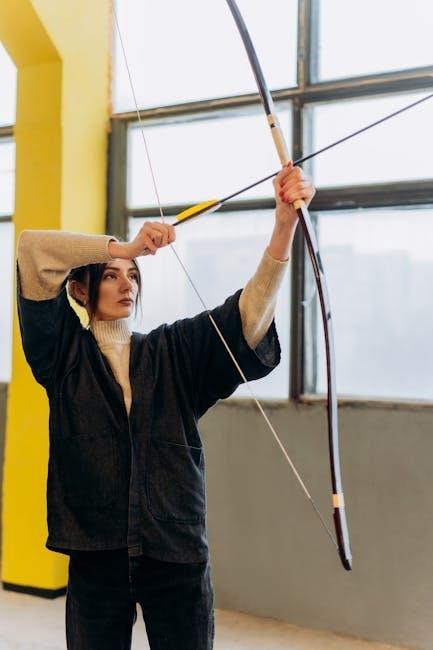
The Legacy of “Zen in the Art of Archery”
The book’s enduring popularity is evident in the continued search for its PDF version‚ showcasing its impact on mindfulness and archery practices globally.
Its Enduring Popularity
“Zen in the Art of Archery” maintains remarkable relevance decades after its initial publication‚ consistently attracting new readers interested in Zen Buddhism and mindful practice. The persistent demand for a readily available PDF version underscores this sustained interest‚ allowing wider access to Herrigel’s teachings. This digital format facilitates study and contemplation for individuals globally‚ transcending geographical limitations.
The book’s themes resonate with contemporary pursuits of mindfulness and self-improvement‚ explaining its continued presence on reading lists and in philosophical discussions. Its exploration of focused action and the pursuit of perfection continues to inspire‚ making the PDF a valuable resource for those seeking a deeper understanding of Zen principles.
Impact on Mindfulness Practices
“Zen in the Art of Archery” significantly influenced the Western understanding and adoption of mindfulness. The book’s depiction of archery as a path to enlightenment popularized the idea of finding Zen through dedicated practice‚ extending beyond traditional meditation. The accessibility of the PDF version has further amplified this impact‚ allowing individuals to explore these concepts independently.
Herrigel’s work demonstrates how complete focus on a single task—like archery—can cultivate a state of “no-mind‚” a core tenet of Zen. This principle has been integrated into various mindfulness techniques‚ influencing fields like psychology and sports performance‚ proving the book’s lasting legacy.
Continuing Relevance in the 21st Century
“Zen in the Art of Archery” maintains remarkable relevance in today’s fast-paced world‚ offering a counterpoint to constant distraction. Its teachings on focus‚ discipline‚ and “letting go” resonate with individuals seeking balance and meaning. The readily available PDF version ensures continued access to these timeless principles‚ fostering a renewed interest in mindful living.
In an age of technological overload‚ the book’s emphasis on present moment awareness provides a valuable framework for cultivating inner peace. It encourages a shift in perspective‚ viewing everyday activities as opportunities for spiritual growth‚ solidifying its enduring appeal.