End Grain Cutting Board Plans: A Comprehensive Guide
Numerous free end grain cutting board plans (PDF resources) are available online, offering diverse designs and skill levels.
These plans detail material lists, cutting diagrams, and step-by-step instructions for crafting beautiful, durable boards.
Understanding End Grain Cutting Boards
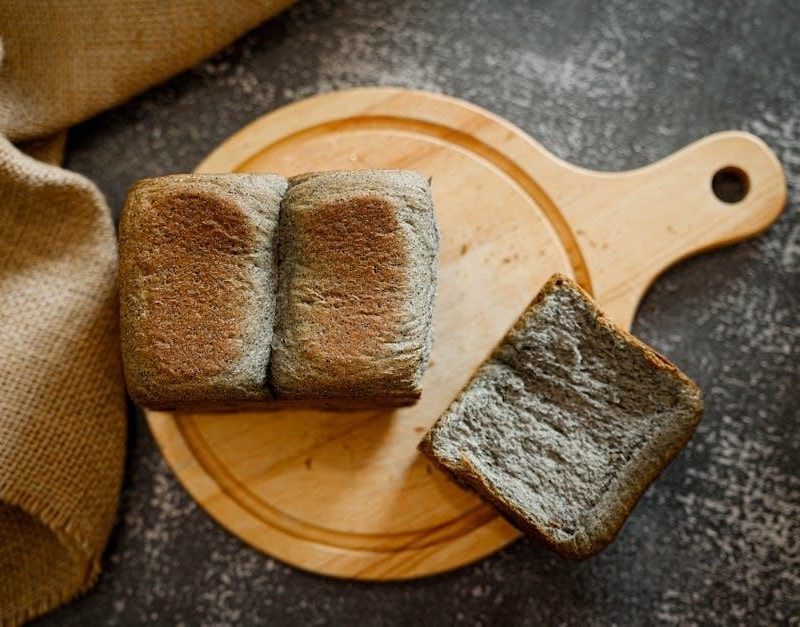
End grain cutting boards are constructed by assembling small pieces of wood with the end grain facing upwards. This orientation presents numerous fibers, creating a self-healing surface that’s kinder to knives.
PDF plans often illustrate this construction, emphasizing the importance of precise cuts and strong glue joints. They showcase how this technique differs from traditional edge-grain boards, offering superior durability and a unique aesthetic appeal.
Benefits of End Grain Construction
End grain boards are renowned for their knife-friendliness, as the wood fibers absorb impact, minimizing dulling. PDF plans frequently highlight this advantage, alongside the board’s resilience against warping and cracking. They demonstrate how the construction allows for easier sharpening and restoration, making them a worthwhile investment for serious cooks.
Wood Selection for End Grain Boards

PDF plans emphasize selecting dense hardwoods like walnut, maple, and cherry for durability and aesthetic appeal. These woods resist wear and offer beautiful grain patterns. Plans often detail sourcing rough lumber versus S4S options, impacting initial milling steps. Avoid softwoods, as they dent easily and aren’t ideal for food preparation surfaces.
Hardwood Choices (Walnut, Maple, Cherry)
PDF plans frequently showcase walnut for its rich, dark color and maple for its light, neutral tone. Cherry offers a reddish hue that deepens with age. These hardwoods provide excellent cutting surfaces, resisting knife marks. Plans detail how grain orientation impacts the final aesthetic, suggesting varied arrangements for visual interest.
Softwood Considerations (Avoidance)
PDF guides consistently advise against using softwoods like pine or fir for end grain boards. Their porous nature absorbs liquids, fostering bacterial growth and dulling knives quickly; Hardwood’s density ensures durability and hygiene; Plans emphasize selecting close-grained woods for longevity and a superior cutting experience, prioritizing food safety.
Calculating Wood Requirements
PDF plans detail precise wood calculations based on desired board dimensions. They instruct users to determine board size and thickness, then account for kerf loss from saw blades. Oversizing pieces slightly—around 1/8 inch—compensates for planing and sanding. Accurate calculations minimize waste and ensure sufficient material for a finished product.
Determining Board Size & Thickness
PDF plans typically start by defining the finished cutting board’s dimensions. A common size is 12×16 inches, with a thickness of 2 inches. Plans guide users to select lumber based on these targets, factoring in desired overhang or edge details. Thickness impacts stability and weight, influencing wood choices.
Accounting for Kerf Loss & Oversizing
PDF plans emphasize adding extra material to compensate for kerf—wood lost during sawing. Typically, plans suggest oversizing strips by 1/8 to 1/4 inch in width and length. This accounts for blade thickness and ensures final dimensions are accurate after planing and sanding. Oversizing prevents boards from being too small.
Preparing the Wood
PDF plans detail starting with rough lumber or S4S (surfaced four sides) wood. Rough lumber requires milling – jointing for flat faces and planing for consistent thickness. S4S lumber saves time but may need slight adjustments.
Proper preparation ensures tight glue joints and a flat, stable cutting board.
Rough Lumber vs. S4S Lumber
PDF guides often present a choice: rough lumber or S4S. Rough lumber is cheaper but demands milling – jointing and planing – for flatness and thickness. S4S lumber is pre-processed, saving time and effort, though it might be slightly more expensive.
Choosing depends on skill level and available tools.
Milling and Jointing the Wood
PDF plans utilizing rough lumber emphasize milling. Jointing creates a flat reference face, crucial for accurate planing. Planing establishes consistent thickness across all strips.
Precise milling ensures tight glue joints and a flat final product. Many plans detail specific milling sequences for optimal results, maximizing board quality.
Cutting the Strips
PDF plans consistently highlight accurate strip cutting. A table saw is recommended for precise, consistent width. Strip width impacts the final pattern; plans specify dimensions.
Length considerations account for board size and desired grain orientation. Careful cutting minimizes waste and ensures a professional finish, vital for a quality end-grain board.
Strip Width and Length Considerations
PDF guides emphasize strip dimensions for desired aesthetics. Width dictates the pattern’s visual complexity; common widths range from 1.5 to 2 inches. Length should slightly exceed the final board dimensions, accounting for trimming.
Oversizing allows for squaring and eliminates imperfections during flattening, ensuring a professional, high-quality end grain cutting board.
Using a Table Saw for Accurate Cuts
PDF plans consistently recommend a table saw for precise strip cutting. A sharp blade and a reliable fence are crucial for consistent width.
Some guides suggest using a sled for added stability, especially with longer pieces. Accurate cuts minimize gaps during glue-up, resulting in a stronger, more visually appealing end grain board.
Arranging the Strips
PDF plans emphasize careful strip arrangement for aesthetic appeal and structural integrity. Consider grain orientation – alternating directions enhance stability.
Many plans showcase various pattern designs, from simple linear arrangements to more complex geometric layouts. Dry fitting the strips before gluing is universally advised to ensure a perfect fit.
Grain Orientation and Pattern Design
PDF resources highlight that alternating grain direction in strips maximizes board stability, preventing warping. Pattern design choices range from classic checkerboards to intricate mosaics.
Detailed plans often include diagrams illustrating various arrangements, emphasizing the visual impact of wood species combinations and grain flow for a stunning final product.
Dry Fitting Before Gluing
Many end grain cutting board PDF plans strongly advise a complete dry fit of all strips before applying glue. This crucial step ensures proper alignment and reveals potential gaps.
Carefully arranging the strips allows for adjustments, preventing frustrating issues during clamp-up and guaranteeing a seamless, visually appealing, and structurally sound finished board.
Gluing the Strips
End grain cutting board plans (PDFs) consistently emphasize using a high-quality, FDA-approved wood glue. This ensures food safety and a strong, lasting bond.
Apply an even, moderate coat of glue to each strip, avoiding excessive amounts that cause messy squeeze-out. Proper glue distribution is vital for board integrity.
Choosing the Right Wood Glue (FDA Approved)
End grain cutting board plans (PDFs) universally stress the importance of food-safe glue. Specifically, look for glues labeled as FDA-approved for indirect food contact.
Titebond III Ultimate Wood Glue is a popular choice, offering waterproof strength and safety. Avoid options containing formaldehyde or potentially harmful chemicals.
Applying Even Pressure During Clamping
End grain cutting board plans (PDFs) consistently emphasize uniform clamping pressure. Uneven pressure leads to weak glue joints and potential board warping. Utilize numerous clamps – parallel or pipe clamps are recommended – spaced closely together.
Ensure consistent force across the entire surface to achieve a strong, lasting bond.
Clamping Techniques
End grain cutting board plans (PDFs) detail various clamping methods. Parallel clamps offer even pressure distribution, ideal for larger boards, while pipe clamps are cost-effective. PDF guides stress the importance of cauls – straight pieces of wood – to distribute pressure and maintain flatness during glue-up. Proper clamping prevents warping and ensures a robust bond.
Parallel Clamps vs. Pipe Clamps
End grain cutting board plans (PDFs) often compare clamp types. Parallel clamps provide consistent, even pressure across the board’s surface, simplifying alignment. PDF resources note pipe clamps are more affordable but require cauls for even distribution. Choosing depends on budget and board size; larger boards benefit from parallel clamp’s ease of use.
Ensuring Flatness During Glue-Up
Many end grain cutting board plans (PDFs) emphasize flatness. Adequate clamping pressure, distributed evenly, is crucial. PDF guides suggest using a flat surface as a base and checking for movement during clamping. Cauls help maintain alignment and prevent warping. Consistent pressure prevents gaps and ensures a level, stable cutting surface.
Flattening the Board
End grain cutting board plans (PDFs) detail flattening techniques. Some PDF guides recommend hand planing for control, while others suggest using a jointer or planer. Achieving a perfectly flat surface is vital for stability and food safety. Consistent passes and sharp blades are key, ensuring even material removal across the entire board.
Hand Plane vs. Jointer/Planer
Many end grain cutting board plans (PDFs) discuss flattening options. PDF guides often present a choice: hand planing offers control, but requires skill. Alternatively, a jointer/planer provides speed and consistency. PDF resources emphasize that a hand plane is ideal for small adjustments, while machines excel at larger material removal;
Achieving a Perfectly Flat Surface
End grain cutting board plans (PDFs) consistently stress flatness as crucial for stability. PDF guides recommend checking for twist and cup using a straightedge. PDF resources detail techniques like winding sticks to identify unevenness. Achieving a perfectly flat surface ensures proper glue adhesion and prevents warping over time, vital for longevity.
Cutting to Final Dimensions
End grain cutting board plans (PDFs) emphasize precision during the final cut. PDF guides suggest using a table saw or track saw for accurate, straight edges. Maintaining squareness is paramount, often checked with a speed square. PDF resources advise slight oversizing initially, allowing for final adjustments and a clean, professional finish.
Table Saw or Track Saw for Precision
End grain cutting board plans (PDFs) consistently recommend a table saw or track saw for achieving precise cuts. PDF guides highlight the importance of a sharp blade and accurate fence alignment. Track saws offer portability and straight lines, while table saws provide consistent results. PDF resources stress safety precautions when operating these tools.
Maintaining Squareness
End grain cutting board plans (PDFs) emphasize maintaining squareness throughout the build process. PDF guides suggest frequent checks with a square during glue-up and clamping. Accurate 90-degree angles are crucial for a functional and aesthetically pleasing board. PDF resources often detail techniques for adjusting clamps to ensure squareness, preventing warping.
Sanding the Cutting Board

End grain cutting board plans (PDFs) consistently highlight the importance of progressive sanding. PDF guides recommend starting with 80-grit sandpaper, gradually increasing to 220-grit for a smooth finish. PDF resources detail removing glue squeeze-out and imperfections during sanding. Proper sanding ensures a food-safe, visually appealing surface.
Progressive Grit Sanding (80-220)
End grain cutting board plans (PDFs) emphasize a systematic approach to sanding. PDF guides detail starting with 80-grit to level the surface, then progressing through 120, 180, and finally 220-grit for smoothness. PDF resources advise consistent sanding direction and avoiding skipping grits for optimal results. This method minimizes scratches.
Removing Glue Squeeze-Out and Imperfections
End grain cutting board plans (PDFs) consistently highlight the importance of removing dried glue. PDF guides recommend using a sharp chisel or scraper before sanding. PDF resources also suggest addressing minor imperfections like tear-out with careful sanding or wood filler. A clean surface ensures a flawless finish, as detailed in many PDF plans.
Adding Juice Grooves
End grain cutting board plans (PDFs) often include instructions for adding juice grooves. PDF guides detail routing techniques for clean, consistent grooves, specifying bit sizes and depths. PDF resources emphasize careful groove placement to contain liquids effectively. Many PDF plans suggest testing groove functionality before finishing, ensuring practical usability.
Routing Techniques for Clean Grooves
End grain cutting board plans (PDFs) emphasize using sharp router bits for clean grooves. PDF guides recommend multiple shallow passes instead of a single deep cut, minimizing tear-out. PDF resources suggest using a guide or fence for consistent groove depth and alignment. PDF plans often detail bit selection, favoring round-over or V-groove bits.
Groove Depth and Placement
End grain cutting board plans (PDFs) typically advise a groove depth of approximately 1/8 to 1/4 inch. PDF resources stress consistent groove placement, usually 1/2 to 1 inch from the board’s edge. PDF guides often suggest mirroring groove patterns for aesthetic balance. PDF plans caution against grooves too deep, potentially weakening the board’s structure.
Rounding the Edges
End grain cutting board plans (PDFs) frequently recommend using a router with a roundover bit for edge profiling. PDF resources suggest bit sizes ranging from 1/8 to 3/4 inch, depending on desired curvature. PDF guides also detail hand-sanding techniques for a smoother, more refined finish. PDF plans emphasize consistent rounding for comfort and visual appeal.
Using a Router with a Roundover Bit
End grain cutting board plans (PDFs) consistently highlight routers with roundover bits for edge shaping. PDF guides recommend multiple passes with increasing bit sizes for a gradual curve. PDF resources stress the importance of a smooth, consistent feed rate to prevent tear-out. PDF plans often suggest clamping a guide to ensure uniform rounding.
Hand Sanding for a Smooth Finish
End grain cutting board plans (PDFs) emphasize hand sanding as crucial for a flawless surface. PDF guides recommend progressing through grits – typically 80 to 220 – ensuring each stage removes prior scratches. PDF resources advise sanding with the grain. PDF plans often suggest a final light sanding with mineral oil to raise the grain for ultimate smoothness.
Finishing the Cutting Board
End grain cutting board plans (PDFs) universally recommend food-safe finishes. PDF guides detail mineral oil application, emphasizing generous coating and repeated applications until saturation. PDF resources also suggest beeswax and mineral oil blends for added protection. PDF plans stress the importance of using only food-grade products, ensuring safety and longevity for your beautiful board.
Food-Safe Mineral Oil Application
End grain cutting board plans (PDFs) consistently highlight mineral oil as the primary finish. PDF guides instruct applying liberal coats, allowing absorption, and wiping away excess. PDF resources recommend multiple applications over several days for deep saturation. PDF plans emphasize using food-grade mineral oil, avoiding vegetable oils that can become rancid, ensuring a safe cutting surface.
Beeswax and Mineral Oil Blend Options
End grain cutting board plans (PDFs) often suggest a beeswax and mineral oil blend for enhanced protection. PDF guides detail ratios, typically 4:1 oil to beeswax, melted and applied warm. PDF resources explain this blend creates a water-resistant barrier, improving durability. PDF plans note the blend provides a subtle sheen and pleasant feel, enhancing the board’s aesthetic appeal.
Adding Feet or a Rubber Grip
End grain cutting board plans (PDFs) frequently include options for adding feet or grips. PDF guides showcase rubber, wood, or silicone feet, elevating the board for airflow. PDF resources detail secure attachment methods, like screws or adhesive. PDF plans suggest rubber grips prevent sliding during use, enhancing safety. PDFs often provide templates for precise foot placement.
Types of Feet (Rubber, Wood, Silicone)
End grain cutting board plans (PDFs) illustrate various foot types. PDF guides detail rubber feet for excellent grip and noise reduction. PDF resources show wood feet, offering a classic aesthetic and stability. PDF plans feature silicone feet, providing heat resistance and preventing surface scratches. PDFs often include dimensions and attachment instructions for each foot type.
Securing Feet to the Board
End grain cutting board plans (PDFs) commonly recommend adhesive and screw combinations for foot attachment. PDF guides suggest using food-safe epoxy alongside stainless steel screws. PDF resources emphasize pre-drilling pilot holes to prevent wood splitting. PDF plans detail countersinking screws for a flush finish. PDFs often advise clamping during adhesive curing for a secure, lasting bond.
Maintenance and Care
End grain cutting board plans (PDFs) universally stress regular oiling with food-safe mineral oil. PDF guides recommend frequent application initially, then monthly thereafter. PDF resources advise against dishwasher use, favoring hand washing with mild soap. PDF plans detail preventing warping via consistent oiling and avoiding extreme temperature changes. PDFs also suggest occasional beeswax conditioning.
Cleaning and Oil Reapplication
End grain cutting board plans (PDFs) consistently recommend hand washing with warm, soapy water, avoiding harsh detergents. PDF guides emphasize drying immediately to prevent warping; PDF resources detail oil reapplication – mineral oil is key – when water no longer beads on the surface. PDF plans suggest applying generously, letting it soak, and wiping off excess. PDFs warn against prolonged soaking.
Preventing Warping and Cracking
End grain cutting board plans (PDFs) stress consistent oiling to maintain moisture balance, preventing cracking. PDF guides advise against dishwasher use due to excessive moisture. PDF resources recommend storing boards flat, avoiding direct sunlight or heat. PDF plans suggest occasional conditioning with beeswax blends. PDFs highlight that proper acclimation to humidity is crucial, minimizing warping risks.
Finding Free End Grain Cutting Board Plans (PDF Resources)
Numerous websites offer free end grain cutting board plans (PDFs). Instructables hosts several detailed guides with pictures. The Patriot Woodworker provides plans and forum discussions. Katz-Moses Tools offers designs for profitable woodworking. Searching “end grain cutting board plan PDF” yields many options, catering to various skill levels and aesthetic preferences.