5 Senses Grounding Technique
The 5-4-3-2-1 Grounding Technique is a simple and effective way to ground yourself in the present moment. It involves using your five senses to focus on your surroundings, which can help to calm anxiety and stress. The technique is often used in therapy and mindfulness practice. This technique can help pull anxious mental energy back into your body, grounding and calming you to release stress and focus on the here and now.
What is the 5 Senses Grounding Technique?
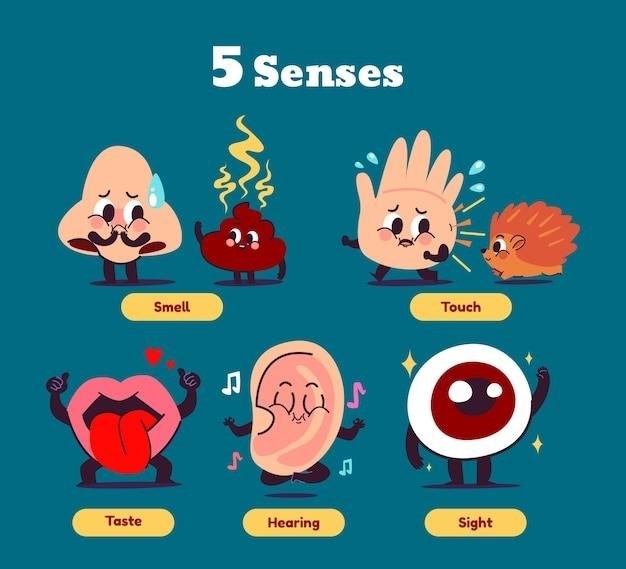
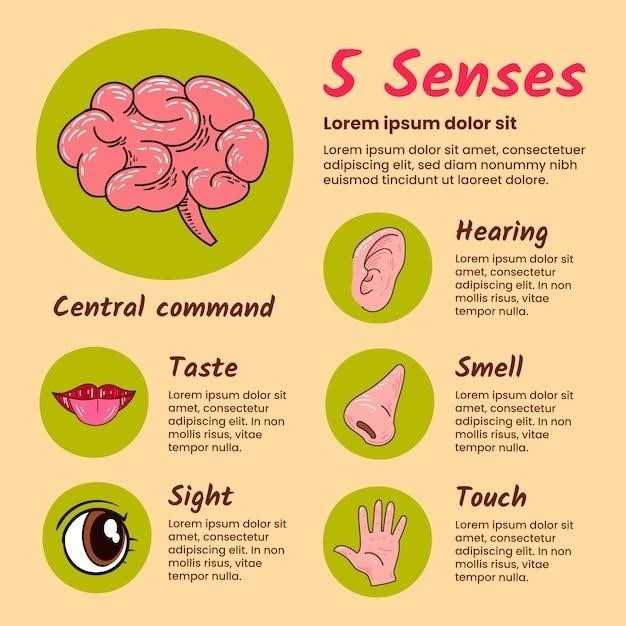
The 5 Senses Grounding Technique is a mindfulness exercise that uses the five senses—sight, touch, hearing, smell, and taste—to help you become more aware of the present moment. It’s a technique that can help you manage overwhelming feelings and ground yourself in the here-and-now, particularly when you feel anxious, stressed, or dissociated. It’s a simple and effective way to bring your attention to the present moment, reducing the intensity of negative emotions and promoting feelings of calm and stability.
It’s a widely used technique in therapeutic settings and mindfulness practices, and it’s a valuable tool for anyone seeking to improve their emotional regulation and self-awareness. The 5 Senses Grounding Technique can be practiced anywhere, anytime, and it’s a great way to bring yourself back to the present moment when you feel overwhelmed or stressed.
How Does the 5-4-3-2-1 Grounding Technique Work?
The 5-4-3-2-1 Grounding Technique works by directing your attention away from distressing thoughts and feelings and towards the present moment. This is achieved by engaging your senses in a structured manner. The technique involves identifying five things you can see, four things you can touch, three things you can hear, two things you can smell, and one thing you can taste. By focusing on these sensory details, you shift your mental focus from the internal world of thoughts and feelings to the external world of your immediate surroundings.
This shift in attention helps to interrupt the cycle of negative thoughts and feelings, allowing you to gain a sense of control and grounding. It also helps to calm your nervous system, reducing feelings of anxiety and stress. The technique is particularly effective because it engages multiple senses simultaneously, creating a more immersive and powerful experience. This allows for a more effective grounding experience, as you are actively engaging with your environment through multiple sensory pathways.
Benefits of the 5 Senses Grounding Technique
The 5 Senses Grounding Technique offers a range of benefits for individuals seeking to manage anxiety, stress, and other emotional challenges. One of the primary benefits is its ability to bring you back to the present moment. When you’re feeling overwhelmed or anxious, your mind tends to focus on past worries or future fears. This technique helps to shift your attention to the here and now, interrupting the cycle of negative thoughts and feelings.
This grounding effect can also help to reduce physical symptoms of anxiety such as rapid heart rate, shallow breathing, and muscle tension. By focusing on your senses, you engage your parasympathetic nervous system, which promotes relaxation and calmness. Additionally, the technique can improve emotional regulation, allowing you to better manage intense emotions and prevent them from escalating. Regularly practicing this technique can also enhance your mindfulness skills, making you more aware of your thoughts, feelings, and sensations in the present moment;
How to Use the 5 Senses Grounding Technique
The 5 Senses Grounding Technique is a simple yet powerful tool for managing anxiety and stress. It involves focusing on your five senses⁚ sight, sound, touch, smell, and taste. To use the technique, start by taking a few deep breaths to help calm your body. Then, begin to notice the details of your surroundings, one sense at a time. First, identify five things you can see around you. It could be anything from the colors of the walls to the patterns on a rug, or even the sunlight streaming through a window. Next, listen for four distinct sounds. Focus on sounds near and far, like the hum of the refrigerator, the chirping of birds, or the rustling of leaves.
Then, move on to your sense of touch. Identify three things you can feel within your reach. This might include the texture of your clothing, the coolness of a glass of water, or the warmth of your hands. Next, try to smell two different scents. Pay attention to any subtle aromas, like the smell of coffee brewing, the scent of flowers, or even the fresh air coming through an open window. Finally, try to taste one thing. It could be the taste of water in your mouth, a piece of gum, or even the faint taste of your own saliva. By focusing on these sensory details, you bring your attention back to the present moment and away from anxious thoughts.
5 Senses Grounding Technique for Kids
The 5-4-3-2-1 Grounding Technique can be a valuable tool for helping children manage their emotions and cope with challenging situations. It’s a fun and engaging way for kids to learn about their senses and how they can help them feel calmer. To make it more engaging for children, you can turn it into a game. Start by asking them to look around and find five things they can see. Make it a challenge to find the most interesting or colorful things. Next, encourage them to listen carefully and identify four different sounds. You can even make it silly by asking them to find the loudest or quietest sounds.
Then, encourage them to feel three things. This could include the texture of their toys, the softness of a blanket, or the warmth of a hug. After that, help them identify two different smells. This could be the smell of their favorite food, the scent of flowers, or even the smell of freshly cut grass. Finally, ask them to taste one thing. It could be a piece of candy, a sip of juice, or even a taste of their own saliva. By turning it into a game, you can make the grounding technique more enjoyable for kids and help them learn to manage their emotions in a fun and engaging way.
5 Senses Grounding Technique for Anxiety
When anxiety strikes, it can feel like your mind is racing, your body is tense, and you’re overwhelmed by worries. The 5-4-3-2-1 Grounding Technique can help you pull yourself back to the present moment and calm your anxiety. This technique helps bring awareness to the physical world around you and can help ground you in the present moment. Start by finding a quiet space where you can sit or stand comfortably. Take a few deep breaths to help calm your body. Then, begin to focus on your senses.
Identify five things you can see. Pay attention to the colors, shapes, and details of your surroundings. Next, listen carefully and identify four different sounds. This could be the sound of your own breath, the ticking of a clock, or the rustling of leaves outside. Then, focus on your sense of touch. Feel three different things. This could be the texture of your clothes, the warmth of a cup of tea, or the firmness of a chair. Try to identify two different smells. This could be the scent of your perfume, the smell of coffee brewing, or the fresh air coming through an open window. Finally, if you can, try to identify one thing you can taste. This could be the taste of your saliva, a piece of gum, or even a sip of water. By focusing on your senses, you can gently shift your attention away from your anxious thoughts and reconnect with the present moment.
5 Senses Grounding Technique for Stress
Stress can manifest in many ways, often leaving you feeling overwhelmed, tense, and unable to focus. The 5-4-3-2-1 Grounding Technique can be a powerful tool for managing stress, helping to bring you back to the present moment and reduce the intensity of your feelings. This technique involves focusing on your five senses, helping you to shift your attention away from your stressful thoughts and reconnect with your surroundings. To begin, find a quiet space where you can sit or stand comfortably. Take a few deep breaths to help calm your body. Then, begin to focus on your senses.
Identify five things you can see. Notice the colors, shapes, and textures of the objects around you. Next, listen carefully and identify four different sounds. This could be the sound of the wind, the ticking of a clock, or the chirping of birds. Then, focus on your sense of touch. Feel three different things; This could be the texture of your clothes, the coolness of a drink, or the warmth of the sun on your skin. Try to identify two different smells. This could be the scent of a flower, the smell of food cooking, or the fresh air coming through an open window. Finally, if you can, try to identify one thing you can taste. This could be the taste of your saliva, a piece of gum, or even a sip of water. By grounding yourself in your senses, you can help to reduce the intensity of your stress response and regain a sense of calm.
5 Senses Grounding Technique for Trauma
Trauma can leave lasting impacts on individuals, often causing intense emotional distress and a sense of disconnection from reality. The 5-4-3-2-1 Grounding Technique can be a valuable tool for managing the symptoms of trauma, helping to bring you back to the present moment and reduce feelings of overwhelm. This technique involves engaging your five senses to focus on your surroundings, providing a tangible connection to the present and reducing the intensity of intrusive thoughts and memories. When you feel triggered or overwhelmed, find a safe and quiet space where you can sit or stand comfortably. Take a few deep breaths to calm your body and mind.
Then, begin to focus on your senses. Identify five things you can see. Notice the colors, shapes, and textures of the objects around you. Next, listen carefully and identify four different sounds. This could be the sound of the wind, the ticking of a clock, or the chirping of birds. Then, focus on your sense of touch. Feel three different things. This could be the texture of your clothes, the coolness of a drink, or the warmth of the sun on your skin. Try to identify two different smells. This could be the scent of a flower, the smell of food cooking, or the fresh air coming through an open window. Finally, if you can, try to identify one thing you can taste. This could be the taste of your saliva, a piece of gum, or even a sip of water. By grounding yourself in your senses, you can help to create a sense of safety and stability, reducing the intensity of your trauma response and promoting a sense of calm and well-being.
5 Senses Grounding Technique for Dissociation
Dissociation can be a challenging experience, often leaving individuals feeling detached from their surroundings and themselves. The 5-4-3-2-1 Grounding Technique can be a valuable tool for managing these feelings, providing a tangible connection to the present moment and helping to reduce the sense of detachment. When you experience dissociation, find a safe and quiet space where you can sit or stand comfortably. Take a few deep breaths to calm your body and mind. Then, begin to focus on your senses. Identify five things you can see. Notice the colors, shapes, and textures of the objects around you. Next, listen carefully and identify four different sounds. This could be the sound of the wind, the ticking of a clock, or the chirping of birds. Then, focus on your sense of touch. Feel three different things. This could be the texture of your clothes, the coolness of a drink, or the warmth of the sun on your skin. Try to identify two different smells. This could be the scent of a flower, the smell of food cooking, or the fresh air coming through an open window. Finally, if you can, try to identify one thing you can taste. This could be the taste of your saliva, a piece of gum, or even a sip of water. By grounding yourself in your senses, you can help to reconnect with your body and surroundings, reducing the feelings of detachment and promoting a sense of presence and stability.
5 Senses Grounding Technique for Mindfulness
The 5-4-3-2-1 Grounding Technique is a powerful tool for enhancing mindfulness, allowing you to cultivate a deeper awareness of the present moment. This technique can help you shift your focus from the constant stream of thoughts and worries that often cloud your mind, allowing you to truly connect with your senses and the world around you. By engaging your senses in this structured way, you train your mind to be more present and attentive, which can be a significant benefit in cultivating a sense of calmness and peace. This technique can be practiced anywhere, anytime, making it a valuable tool for incorporating mindfulness into your daily routine. To practice the 5-4-3-2-1 Grounding Technique for mindfulness, find a comfortable position and take a few deep breaths to center yourself. Then, begin to notice five things you can see, focusing on the details of each object. Next, listen carefully and identify four different sounds, noting the quality and source of each sound. Then, turn your attention to your sense of touch, feeling three different textures or temperatures. Pay attention to the sensations on your skin as you touch these objects. Then, try to identify two different smells in your environment, noticing their intensity and pleasantness. Finally, if possible, identify one thing you can taste, focusing on its flavor and texture. By engaging your senses in this way, you can gently guide your mind away from distracting thoughts and cultivate a deeper awareness of your present experience. This technique can be a powerful tool for enhancing your mindfulness practice, helping you to cultivate a sense of presence, peace, and clarity.