
Nikon D700 Manual⁚ A Comprehensive Guide
This guide provides a comprehensive overview of the Nikon D700‚ covering its key features‚ essential settings‚ advanced techniques‚ troubleshooting tips‚ and additional resources. Whether you’re a beginner or an experienced photographer‚ this guide will help you master the capabilities of this powerful camera and capture stunning images.
Introduction
The Nikon D700‚ released in 2008‚ revolutionized the world of professional photography with its impressive capabilities and robust build. This full-frame DSLR camera quickly became a favorite among photographers‚ renowned for its 12.1-megapixel CMOS sensor‚ fast autofocus system‚ and exceptional low-light performance. The D700’s solid construction and ergonomic design provide a comfortable and secure grip‚ making it a joy to use for extended shooting sessions. Its features cater to both seasoned professionals and enthusiasts seeking a high-quality camera for capturing stunning images in a variety of settings.
This manual serves as your guide to unlocking the full potential of the Nikon D700. It will delve into its key features‚ essential settings‚ and advanced techniques‚ empowering you to take control of your photography and capture breathtaking images. From mastering exposure compensation and white balance to exploring shooting modes and auto ISO‚ this comprehensive guide will equip you with the knowledge and skills needed to elevate your photography to new heights.
Key Features of the Nikon D700
The Nikon D700 boasts a range of impressive features that contribute to its exceptional performance and versatility. At its core lies a 12.1-megapixel FX-format CMOS sensor‚ capable of capturing stunning images with remarkable detail and clarity. This sensor‚ coupled with the EXPEED digital image processing engine‚ delivers superior image quality‚ even in low-light conditions‚ with minimal noise. The D700’s autofocus system is another highlight‚ featuring a 51-point Multi-CAM 3500DX autofocus sensor with 11 cross-type sensors‚ ensuring precise and rapid focusing‚ even in challenging lighting situations.
Further enhancing its capabilities‚ the Nikon D700 offers a wide sensitivity range of ISO 100 to 6400‚ expandable to ISO 25600‚ allowing you to capture images in a variety of lighting conditions. The camera’s durable magnesium alloy body is designed to withstand the rigors of professional use‚ while the robust build and weather sealing provide protection against the elements. With a continuous shooting rate of up to 5 frames per second‚ the D700 is ideal for capturing fast-paced action‚ and its 3-inch LCD monitor provides a clear view of your images‚ allowing for easy reviewing and adjustments.
Using the Nikon D700⁚ Essential Settings
To get the most out of your Nikon D700‚ understanding and utilizing its essential settings is key. One crucial setting is Exposure Compensation‚ which allows you to adjust the overall brightness of your images. If your photos are consistently too light or too dark‚ you can use Exposure Compensation to fine-tune the exposure. Another important setting is White Balance‚ which determines the color temperature of your images. By adjusting White Balance‚ you can ensure that colors are accurately reproduced‚ regardless of the lighting conditions.
Picture Controls provide a way to customize the overall look and feel of your images. You can choose from various pre-set Picture Controls‚ such as Vivid‚ Neutral‚ and Monochrome‚ or create your own custom profiles to achieve your desired aesthetic. By mastering these fundamental settings‚ you gain control over your images and can express your creative vision more effectively. Remember‚ experimentation is key‚ so don’t hesitate to play around with different settings to discover what works best for your style and subject matter.
Exposure Compensation
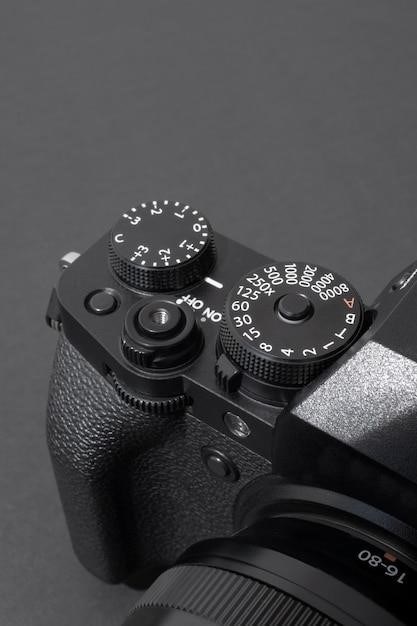
Exposure Compensation is a powerful tool that gives you control over the brightness of your images. It allows you to adjust the exposure level‚ making your photos brighter or darker as needed. This is particularly useful when shooting in challenging lighting conditions‚ such as backlighting or when the subject is very dark or very bright. To access Exposure Compensation‚ simply use the dedicated dial on the top of your D700. The dial is marked with plus and minus signs‚ indicating whether you’re making the image brighter or darker. Each click of the dial corresponds to a third of a stop of exposure adjustment.
For instance‚ if your photo is too dark‚ you can increase Exposure Compensation by one or two stops to brighten it. Conversely‚ if your photo is too bright‚ you can decrease Exposure Compensation to darken it. Remember‚ the ideal exposure level will vary depending on the subject‚ lighting conditions‚ and your desired artistic effect. Experiment with different Exposure Compensation settings to find what works best for your specific situation.
White Balance
White Balance is a crucial setting that determines the color cast of your images. It ensures that white objects appear white in your photographs‚ even under different lighting conditions. The Nikon D700 offers a variety of white balance settings to accommodate various lighting scenarios. The most common settings include Auto‚ Incandescent‚ Fluorescent‚ Daylight‚ and Cloudy. Auto white balance is a great starting point‚ as the camera attempts to automatically determine the correct color balance.
However‚ for more precise control‚ you can select specific white balance presets based on the type of lighting you’re using. For example‚ incandescent lighting often produces a warm‚ yellowish cast‚ so selecting the Incandescent preset will help neutralize these tones. Similarly‚ fluorescent lighting can produce a greenish or bluish cast‚ which can be corrected by choosing the Fluorescent preset. If you’re shooting in daylight‚ the Daylight preset will ensure accurate color reproduction. You can also fine-tune the white balance by adjusting the color temperature in Kelvin (K)‚ offering even greater flexibility in achieving your desired color balance.
Picture Controls
Picture Controls are a powerful feature of the Nikon D700 that allows you to adjust the look and feel of your images right out of the camera. They offer a set of pre-defined settings that influence aspects such as contrast‚ sharpness‚ saturation‚ and hue‚ giving you the ability to create different styles of photography. The Nikon D700 comes with several standard Picture Controls‚ including Standard‚ Neutral‚ Vivid‚ Monochrome‚ and Portrait. Standard is a balanced setting that produces natural-looking images. Neutral provides a more subdued look with less contrast and saturation‚ ideal for situations where you want a clean‚ minimalist aesthetic.
Vivid enhances colors and contrast‚ adding a punchier look to your images. Monochrome allows you to capture black and white photographs with various tonal adjustments‚ such as sepia or high-contrast black and white. Portrait enhances skin tones and softens features‚ making it a good choice for portraits and close-ups. You can also create and save your own custom Picture Controls‚ fine-tuning the parameters to match your personal preferences or specific photographic styles. This allows for greater creative control and consistency in your images‚ eliminating the need for extensive post-processing.
Nikon D700⁚ Advanced Techniques
The Nikon D700 offers a range of advanced techniques to enhance your photography and explore creative possibilities. Mastering these features will allow you to capture more captivating images and push the boundaries of your photographic skills. One such technique is the use of different shooting modes‚ providing you with control over exposure settings for various scenarios. For example‚ Aperture Priority mode allows you to control the depth of field‚ while Shutter Priority mode enables you to freeze action or create motion blur.
Auto ISO‚ another advanced feature‚ automatically adjusts the ISO sensitivity based on lighting conditions‚ ensuring optimal exposure without the need for manual adjustments. This is particularly helpful in dynamic shooting situations where lighting changes rapidly. Furthermore‚ the Nikon D700 offers multiple metering modes‚ such as Matrix‚ Center-Weighted‚ and Spot‚ allowing you to precisely control how the camera measures light and determines exposure. Understanding and utilizing these advanced techniques will unlock the full potential of the Nikon D700 and elevate your photographic endeavors.
Shooting Modes
The Nikon D700 provides a variety of shooting modes to suit different photographic situations. These modes offer varying levels of control over exposure settings‚ allowing you to tailor your images to specific needs. One of the most versatile modes is Aperture Priority (A)‚ which allows you to set the aperture and the camera automatically adjusts the shutter speed for optimal exposure. This is ideal for controlling depth of field‚ where a wide aperture (small f-number) creates a shallow depth of field‚ blurring the background and emphasizing the subject‚ while a narrow aperture (large f-number) provides a greater depth of field‚ keeping both foreground and background sharp.
Shutter Priority (S) mode allows you to set the shutter speed and the camera automatically adjusts the aperture to achieve the desired exposure. This is useful for capturing fast-moving subjects‚ where a fast shutter speed freezes motion‚ or for creating deliberate motion blur in slow shutter speed scenarios. Program (P) mode allows the camera to choose both the aperture and shutter speed‚ offering a balance between the two. Manual (M) mode offers complete control over both aperture and shutter speed‚ providing the most flexibility for experienced photographers who want to control all aspects of exposure.
Auto ISO
The Nikon D700’s Auto ISO feature allows you to set a range of ISO sensitivities and the camera automatically adjusts the ISO based on the ambient light conditions. This is a powerful tool for ensuring optimal exposure in various lighting scenarios. By using Auto ISO‚ you can avoid having to manually adjust the ISO setting‚ allowing you to focus on composition and capturing the moment. The Auto ISO feature helps maintain a consistent shutter speed‚ preventing motion blur in low-light situations‚ while also minimizing noise in brighter conditions.
You can customize the Auto ISO settings to your preferences‚ including the minimum and maximum ISO values‚ the slowest shutter speed‚ and the sensitivity to light changes. This allows you to tailor the Auto ISO behavior to your specific shooting style and desired image quality. By setting appropriate limits‚ you can prevent the camera from selecting excessively high ISO values that may result in excessive noise‚ while also ensuring it doesn’t choose overly low ISO values that might lead to slow shutter speeds and motion blur.
Metering Modes
The Nikon D700 offers several metering modes‚ each designed to evaluate the scene’s brightness and determine the appropriate exposure. These modes provide flexibility in adapting to different lighting conditions and subject types. The 3D Matrix Metering mode‚ the most sophisticated option‚ analyzes the entire scene‚ considering factors like subject contrast‚ distance‚ and color‚ to achieve balanced exposure. This mode is generally recommended for most shooting situations‚ especially when working with complex compositions or challenging lighting.
For situations where the subject is significantly brighter or darker than the surrounding scene‚ the Spot Metering mode can be helpful. This mode measures the light from a small area in the center of the viewfinder‚ allowing you to prioritize the exposure of your subject. Center-Weighted Metering‚ a balance between 3D Matrix and Spot Metering‚ gives more weight to the center of the frame while still taking the surrounding areas into account. This mode is useful when shooting subjects in a moderately bright or dark environment.
Troubleshooting and Maintenance
While the Nikon D700 is a robust camera‚ occasional issues may arise. Understanding common troubleshooting steps can help you resolve them efficiently. If your camera displays an error message‚ consult the Nikon D700 manual for specific instructions on addressing the issue.
Regular maintenance is crucial for ensuring the longevity of your camera. Clean the lens and sensor periodically to prevent dust and debris from affecting image quality. Use a soft‚ microfiber cloth for cleaning. Avoid using harsh chemicals or abrasive materials.
Keep the camera body and lens in a dry‚ dust-free environment. Protect them from extreme temperatures and humidity.
Ensure the battery is properly charged and replaced when necessary.
Store your camera and lenses in their original cases or a dedicated camera bag to protect them during transportation.
The Nikon D700‚ a professional-grade full-frame DSLR‚ remains a highly sought-after camera for its exceptional image quality‚ durability‚ and versatility. It offers a wide range of features and settings that cater to photographers of all skill levels. This comprehensive guide has provided you with a foundational understanding of the Nikon D700‚ enabling you to explore its capabilities further and unleash your creative potential.
Whether you’re capturing landscapes‚ portraits‚ wildlife‚ or events‚ the D700 empowers you to create stunning images. By mastering its features‚ you can elevate your photography to new heights. Remember to consult the official Nikon D700 manual for detailed instructions and specific settings to optimize your shooting experience.