Creative Curriculum Studies focus on exploration and discovery, fostering confidence, creativity, and critical thinking in children through project-based learning and intentional teaching strategies in various subjects․
Overview of Creative Curriculum Studies
Creative Curriculum Studies emphasize exploration and discovery, promoting children’s natural curiosity and fostering a deeper understanding of concepts through hands-on experiences․ This approach integrates core subjects like literacy, mathematics, science, and the arts, encouraging critical thinking and creativity․ By focusing on project-based learning, it allows children to engage with real-world problems, developing essential skills for lifelong learning․ The curriculum is designed to be adaptable, meeting the diverse needs of learners while maintaining high academic standards․ It also highlights the importance of intentional teaching practices, ensuring that educators guide children’s learning effectively․ This holistic approach aims to nurture well-rounded individuals prepared to meet future challenges creatively and confidently․

Importance of Creative Learning in Education
Creative learning is essential for fostering innovation, critical thinking, and problem-solving skills in students․ By encouraging exploration and discovery, it helps children develop a deeper understanding of concepts while nurturing their natural curiosity․ Creative learning promotes collaboration, adaptability, and self-expression, preparing students to navigate complex challenges in an ever-changing world․ It also enhances engagement and motivation, making learning more meaningful and enjoyable․ Integrating creativity into education ensures that students develop a holistic skill set, combining academic knowledge with imaginative thinking․ This approach not only enriches their educational experience but also equips them with the tools needed to thrive in future endeavors, making it a vital component of modern education;

Key Concepts in Creative Curriculum Design
Creative Curriculum Design emphasizes exploration and discovery, fostering creativity, critical thinking, and problem-solving through project-based learning and intentional teaching strategies, ensuring educational engagement for all learners․
Exploration and Discovery in Learning
Exploration and discovery are cornerstone principles of the Creative Curriculum, enabling children to engage deeply with topics through hands-on experiences․ By fostering curiosity, these methods encourage learners to raise questions and seek answers independently․ This approach supports the development of critical thinking and problem-solving skills, as children explore various subjects such as science, social studies, and the arts․ Teachers guide students through intentional teaching practices, ensuring that each study is thoughtfully planned to promote engagement and learning․ These investigative processes help children build a strong foundation for future academic success and lifelong learning․
Critical and Creative Thinking Skills
Critical and creative thinking skills are essential components of the Creative Curriculum, empowering children to analyze information, generate innovative ideas, and solve problems effectively․ These skills are cultivated through open-ended questions, collaborative activities, and hands-on experiences that encourage children to think deeply and imaginatively․ By integrating these abilities into various subjects, such as literacy, mathematics, and science, the curriculum prepares learners to approach challenges with confidence and resilience․ Intentional teaching practices and project-based learning further enhance these skills, fostering a mindset that values curiosity, innovation, and logical reasoning․ This emphasis on critical and creative thinking ensures children are well-equipped to navigate complex, ever-evolving environments throughout their lives․
Project-Based Learning Approaches
Project-based learning is a cornerstone of the Creative Curriculum, engaging children in meaningful, hands-on experiences that promote deep understanding and skill development․ These approaches encourage children to explore real-world topics, fostering curiosity and creativity while aligning with learning standards․ Through investigations and projects, children develop critical thinking, collaboration, and problem-solving skills․ Teachers guide learners by posing open-ended questions and providing resources, allowing children to take ownership of their learning․ This method not only enhances academic achievement but also builds confidence and a love for learning, as children see the relevance of their work in everyday life․ Project-based learning is a powerful way to integrate multiple subjects, making learning cohesive and impactful․

Core Subjects in Creative Curriculum
Creative Curriculum integrates literacy, mathematics, science, social studies, arts, and technology, fostering holistic learning through exploration and creativity, aligned with early childhood education standards․
Literacy and Language Development
Literacy and language development are foundational in the Creative Curriculum, emphasizing playful and engaging experiences that foster a love for reading, writing, and communication․ Through intentional teaching strategies, children explore books, stories, and writing tools, building essential skills in phonological awareness, vocabulary, and comprehension․ The curriculum encourages children to express their thoughts and ideas, supporting their ability to communicate effectively․ By integrating literacy into daily activities, the Creative Curriculum helps young learners develop a strong foundation for future academic success and a lifelong appreciation for language and literature․
Mathematics and Problem-Solving
Mathematics and problem-solving in the Creative Curriculum emphasize exploration and discovery, helping children develop foundational math skills through hands-on experiences and play․ By engaging with everyday objects and real-world scenarios, children learn to count, sort, compare, and understand patterns․ The curriculum encourages critical thinking and creativity, as children are prompted to ask questions, investigate, and find solutions․ Teachers use intentional teaching strategies to support children in connecting math to their daily lives, fostering a deep understanding of numerical concepts and problem-solving abilities․ This approach ensures that math is accessible, meaningful, and fun, laying a strong foundation for future academic success․
Science and Technology Integration
Science and technology integration in the Creative Curriculum encourages children to explore the world around them through hands-on activities and investigations․ By engaging in scientific inquiry, children develop critical thinking and problem-solving skills, fostering curiosity and creativity․ Technology is seamlessly incorporated to enhance learning, with tools that support discovery and innovation․ The curriculum emphasizes the connection between science and everyday life, helping children understand fundamental concepts and their applications․ Teachers guide children in making observations, asking questions, and finding solutions, while also integrating technology to expand learning opportunities․ This approach ensures that children develop a strong foundation in science and technology, preparing them for future challenges and fostering a lifelong love of learning․
Social Studies and Cultural Awareness
Social Studies and Cultural Awareness in the Creative Curriculum empower children to explore diverse cultures, communities, and their roles within society․ Through engaging activities, children develop an understanding of history, geography, and community structures․ The curriculum emphasizes inclusivity, encouraging children to appreciate differences and foster empathy․ Teachers guide children in exploring traditions, values, and contributions of various cultures, promoting global awareness․ This approach helps children build a sense of identity and respect for others, while also developing essential social skills․ By integrating real-world examples and hands-on projects, the curriculum ensures that children become informed and active participants in their communities, laying the groundwork for lifelong cultural competence and social responsibility․
The Arts and Creative Expression
The Arts and Creative Expression are integral to the Creative Curriculum, fostering children’s imagination, self-expression, and confidence․ Through activities like painting, drawing, music, and dance, children explore various art forms, developing fine motor skills and creativity․ The curriculum encourages children to express their thoughts and feelings through art, making it a powerful tool for communication and self-discovery․ Teachers guide children in experimenting with materials and techniques, fostering innovation and critical thinking․ The arts also serve as a bridge to other subjects, helping children connect ideas across disciplines․ By integrating creative expression into daily learning, the curriculum ensures that children develop a lifelong appreciation for the arts and their role in enriching lives and communities․
Technology and Digital Literacy
Technology and Digital Literacy are essential components of the Creative Curriculum, preparing children to navigate a tech-driven world․ The curriculum integrates digital tools and platforms to enhance learning, fostering problem-solving and critical thinking skills․ Children engage in activities that promote digital literacy, such as using educational software, creating digital art, and exploring STEM concepts through technology; The curriculum emphasizes ethical technology use and online safety, equipping children with the skills to communicate and collaborate effectively in a digital environment․ By balancing technology with hands-on experiences, the Creative Curriculum ensures children develop a strong foundation in both traditional and digital literacy, preparing them for future academic and professional success․
Teaching Strategies for Creative Curriculum
Creative Curriculum Studies emphasize intentional teaching practices, fostering creativity, critical thinking, and problem-solving through exploration, discovery, and project-based learning, preparing children for future challenges effectively․
Intentional Teaching Practices

Intentional teaching practices in Creative Curriculum Studies involve deliberate planning and implementation of activities that promote exploration, discovery, and critical thinking․ Teachers create structured yet flexible learning environments that encourage children to engage deeply with content․ These practices emphasize the importance of questioning, dialogue, and creativity, allowing children to construct their own understanding of concepts․ By integrating project-based learning and hands-on experiences, educators foster problem-solving skills and collaboration․ Intentional teaching also involves ongoing observation and assessment to tailor instruction to individual needs, ensuring all learners are supported and challenged․ This approach aligns with the principles of creativity, fostering a love for learning and preparing children for future academic and life challenges․
Organizing Studies for Engagement
Organizing studies for engagement involves structuring learning experiences that spark curiosity and motivation in children․ Creative Curriculum Studies emphasize the importance of well-planned investigations that integrate multiple subjects, such as science, social studies, and the arts․ These investigations are designed to be interactive and meaningful, allowing children to explore topics in depth through hands-on activities․ Teaching guides provide frameworks for organizing studies, ensuring they are both enjoyable and educational․ By incorporating elements like project-based learning and critical thinking, educators create environments where children are actively engaged and invested in their learning․ This approach fosters a sense of ownership and creativity, making the learning process both fun and impactful for all students․
Supporting English Language Learners
Supporting English Language Learners (ELLs) in Creative Curriculum Studies involves tailored strategies to ensure their active participation and understanding․ Visual aids, bilingual resources, and scaffolded instruction are essential tools to meet their needs․ Intentional teaching practices, such as using visual schedules and language-rich environments, help ELLs connect new concepts to their prior knowledge․ Teachers incorporate hands-on activities and small-group instruction to foster language development alongside content learning․ The curriculum also emphasizes the use of diverse texts and materials that reflect students’ cultures, promoting inclusivity and engagement․ By integrating language support into project-based learning and investigations, educators create a welcoming environment where ELLs can thrive academically and socially․
Assessment and Progress Monitoring
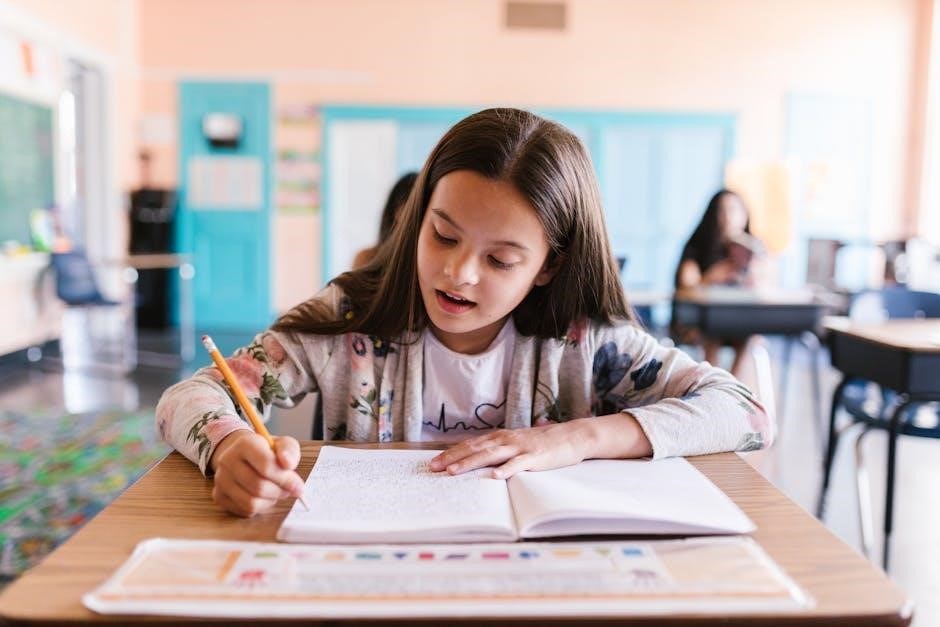
Assessment and progress monitoring in Creative Curriculum Studies are designed to track children’s development and learning through observation, documentation, and intentional teaching practices․ Teachers use tools like portfolios, checklists, and anecdotal records to gather information on children’s skills and interests․ Progress monitoring involves regularly reviewing these assessments to identify strengths, challenges, and areas for growth․ This data informs instruction, helping teachers adapt their strategies to meet individual and group needs․ The goal is to ensure all children are making progress toward early learning standards while fostering a love for learning․ Ongoing assessment also provides opportunities for children to reflect on their own progress, promoting self-awareness and confidence․

Implementation of Creative Curriculum

Implementation involves curriculum design, classroom setup, teacher training, and parental communication to ensure effective execution of creative learning strategies that foster engagement and development in educational settings․
Curriculum Design and Planning
Curriculum design and planning in Creative Curriculum Studies involve organizing content to align with learning standards and developmental goals․ It integrates project-based learning, exploration, and discovery to foster creativity and critical thinking․ Teachers use intentional teaching strategies to create engaging experiences, ensuring children participate fully and meet early learning standards․ The curriculum is structured into studies that explore topics like literacy, math, science, social studies, and the arts, encouraging children to raise questions and find answers․ Resources such as PDF guides and teaching manuals provide detailed frameworks for designing lessons and activities․ This approach ensures a balanced and comprehensive education, preparing children for future academic and creative challenges while promoting a love for learning․
Classroom Environment Setup
Setting up a classroom environment for Creative Curriculum Studies involves creating spaces that foster exploration, discovery, and engagement․ Classrooms are organized to promote hands-on activities, with materials and resources accessible to children․ Learning centers are designed to encourage independent and collaborative learning, focusing on areas like literacy, science, and the arts․ The environment is tailored to support diverse learners, including English language learners, through visual aids, manipulatives, and inclusive practices․ Teachers ensure the space reflects children’s interests and projects, making learning meaningful and relevant․ A well-structured classroom environment supports creativity, critical thinking, and social interactions, laying the foundation for a positive and productive educational experience․
Teacher Training and Professional Development
Effective teacher training and professional development are essential for successfully implementing Creative Curriculum Studies․ Teachers engage in workshops, online courses, and hands-on training to master exploration-based learning strategies․ These programs emphasize fostering creativity, critical thinking, and project-based approaches in the classroom․ Professional development also focuses on integrating technology and digital literacy, ensuring teachers are equipped to meet modern educational demands․ Continuous learning opportunities, such as seminars and peer collaborations, help educators refine their skills and adapt innovative teaching methods․ By staying updated on best practices, teachers create engaging, inclusive environments that cater to diverse learners, including English language learners, ensuring all students thrive academically and creatively․
Parental Involvement and Communication
Parental involvement is a cornerstone of successful Creative Curriculum implementation, fostering collaboration between teachers, parents, and children․ Schools use resources like Teaching Strategies to engage parents through workshops, newsletters, and digital platforms․ These tools share insights into curriculum goals and provide activities for parents to support learning at home․ Regular communication, such as progress reports and parent-teacher meetings, ensures alignment between classroom and home environments․ Additionally, materials like Intentional Teaching Cards offer practical strategies for parents to encourage creativity and critical thinking․ By involving parents, schools create a cohesive learning experience that extends beyond the classroom, promoting holistic child development and stronger family-teacher partnerships․ This collaboration is vital for nurturing confident, curious, and creative learners․

Resources for Creative Curriculum Studies
Essential resources include PDF guides like “The Creative Curriculum for Preschool,” recommended books by Teaching Strategies, and online courses offering practical insights and training for educators․
PDF Guides and Documentation
The Creative Curriculum offers comprehensive PDF guides, such as “The Creative Curriculum for Preschool,” which outlines developmentally appropriate practices․ These documents provide detailed frameworks for teaching strategies, lesson planning, and assessment․ They cover core subjects like literacy, math, science, and social studies, ensuring a holistic approach to learning․ Additionally, PDF resources include study plans, activity ideas, and tools for monitoring progress․ These guides are essential for educators seeking to implement creative and effective curriculum designs․ They are widely available online, offering accessible support for teachers aiming to foster creativity and critical thinking in their students․ These resources are regularly updated to reflect current educational research and best practices․
Recommended Books and Publications
Several recommended books and publications support the implementation of the Creative Curriculum․ Titles like “The Creative Curriculum for Preschool” and “Teaching Strategies: The Creative Curriculum” offer detailed insights into curriculum design and teaching practices․ These resources emphasize exploration, critical thinking, and creativity, providing practical strategies for educators․ Additionally, publications by authors like Adams and Lobza explore critical thinking and educational psychology, enhancing understanding of creative teaching methods․ These books are invaluable for educators seeking to implement innovative and effective curriculum designs․ They cover topics such as literacy, mathematics, science, and social studies, ensuring a comprehensive approach to creative education․ These publications are widely recognized for their research-based and developmentally appropriate content․
Online Courses and Tutorials
Online courses and tutorials provide educators with practical tools to implement the Creative Curriculum effectively․ Courses like Adobe Creative Cloud and Critical and Creative Thinking by DV Burimskaya offer insights into fostering creativity and problem-solving skills․ Platforms like Coursera and Udemy host courses on curriculum design, project-based learning, and technology integration․ These resources are designed to enhance teaching strategies and support diverse learning needs․ Tutorials often include hands-on activities and case studies, ensuring educators can apply concepts directly in the classroom․ Many courses are affordable and accessible, making professional development convenient․ They cater to both novice and experienced educators, providing a comprehensive understanding of creative education principles․ These online resources are essential for staying updated on innovative teaching methods and curriculum design․
Creative Curriculum Studies empower educators to foster innovation and critical thinking, preparing learners for future challenges in an evolving educational landscape through adaptive and engaging strategies․
Future Trends in Creative Education
Future trends in creative education emphasize technology integration, project-based learning, and personalized instruction․ The rise of AI and VR in classrooms promises immersive learning experiences, fostering innovation and critical thinking․ There is a growing focus on STEAM (Science, Technology, Engineering, Arts, and Mathematics) to bridge creativity with technical skills․ Collaborative learning and global awareness are also prioritized, encouraging diverse perspectives․ Educators are adopting adaptive curricula that cater to individual learning styles, ensuring inclusivity and equity․ These trends aim to prepare students for a rapidly changing world, equipping them with creative problem-solving abilities and a lifelong love for learning․ By embracing these innovations, creative education will continue to evolve, inspiring the next generation of thinkers and leaders․
Final Thoughts on Implementing Creative Curriculum
Implementing a creative curriculum requires a balanced approach, blending innovation with foundational skills․ Teachers must be adaptable, using intentional teaching practices to engage diverse learners․ Collaboration between educators, parents, and policymakers is crucial for successful integration․ Professional development ensures teachers are equipped with modern strategies, fostering a supportive classroom environment․ Continuous assessment and feedback loops help monitor progress, refining the curriculum for better outcomes․ By prioritizing creativity and critical thinking, educators empower students to thrive in an ever-evolving world․ The key is sustainability, ensuring creative education remains accessible and impactful for future generations․ This holistic approach nurtures well-rounded individuals, ready to contribute meaningfully to society․