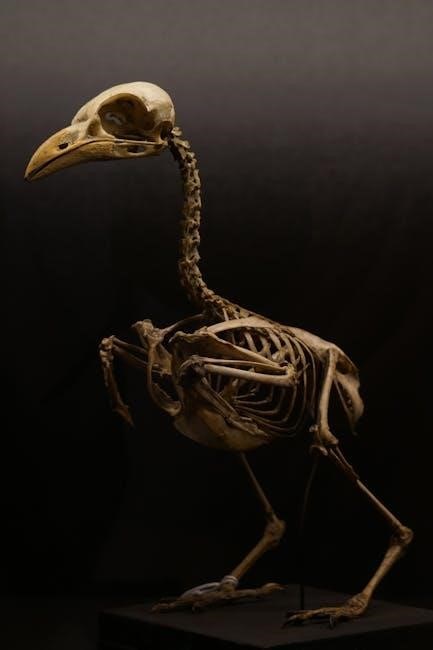
Biology explores life’s diverse forms and functions, utilizing a systematic scientific method for observation, hypothesis formation, and rigorous experimental testing.
1.1 What is Biology?
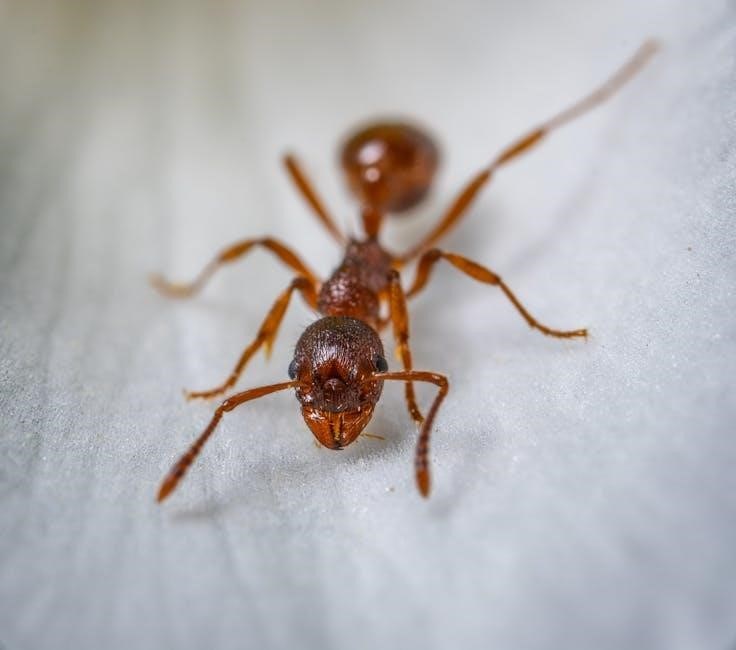
Biology, at its core, is the scientific study of life. This encompasses an incredibly broad spectrum, ranging from the microscopic world of molecules and cells to the vast ecosystems of our planet. It seeks to understand the structure, function, growth, origin, evolution, and distribution of all living organisms.
Essentially, biologists ask questions about how life works – how organisms are built, how they develop, how they reproduce, and how they interact with their environment. Key areas within biology include botany (the study of plants), zoology (the study of animals), microbiology (the study of microorganisms), and genetics (the study of heredity).
Understanding biological principles is crucial not only for appreciating the natural world but also for addressing critical challenges facing humanity, such as disease, food security, and environmental conservation.
1.2 The Characteristics of Life
Living organisms share several key characteristics that distinguish them from non-living matter. These include organization – being composed of cells, the basic units of life – and metabolism, the sum of all chemical processes occurring within an organism. Growth and development, guided by genetic information, are also essential.
All living things exhibit responsiveness to stimuli, maintaining a stable internal environment through homeostasis. They also reproduce, passing on hereditary information to the next generation. Furthermore, organisms possess adaptation, evolving over time to better suit their environment.
These characteristics aren’t always present in isolation, but collectively define life as we know it. Recognizing these traits is fundamental to understanding biological systems and differentiating between living and non-living entities.
1.3 The Scientific Method – A Step-by-Step Guide
The scientific method is a systematic approach to understanding the natural world. It begins with an observation, leading to a testable hypothesis – a proposed explanation. Next, carefully designed experiments are conducted to gather data.
This data is then analyzed to determine if it supports or refutes the hypothesis. Conclusions are drawn based on the analysis, and results are often communicated through publications or presentations.
Crucially, the process is iterative; a refuted hypothesis leads to revised hypotheses and further experimentation. Control groups are vital for comparison, and variables must be carefully controlled. Peer review ensures the validity and reliability of scientific findings, fostering a collaborative and self-correcting process.

II. Basic Biochemistry
Biochemistry investigates life’s chemical processes, focusing on the molecules within organisms and their interactions, essential for understanding biological functions and structures.
2.1 Atoms, Molecules, and Chemical Bonds
Atoms, the basic units of matter, combine through chemical bonds to form molecules, the building blocks of all living things. Understanding atomic structure – protons, neutrons, and electrons – is crucial.
Ionic bonds involve electron transfer, creating ions with opposite charges that attract. Covalent bonds share electrons between atoms, forming strong, stable connections. Hydrogen bonds, weaker interactions, are vital for water’s properties and protein structure.
Molecular shape is determined by these bonds and influences function. Polarity arises from unequal electron sharing, impacting solubility and interactions. These fundamental concepts underpin all biochemical processes within organisms, dictating how life functions at a molecular level. Remember to review electronegativity and its role in bond formation!
2.2 Water – The Molecule of Life
Water is essential for life due to its unique properties. Its polarity allows for hydrogen bonding, creating cohesion and adhesion – vital for transport in plants. High specific heat capacity stabilizes temperatures, protecting organisms from drastic fluctuations.
Water’s excellent solvent capabilities facilitate biochemical reactions, dissolving and transporting vital substances. Its density anomaly – ice floats – insulates aquatic environments, supporting life beneath. These characteristics are directly linked to water’s molecular structure and hydrogen bond network.
Hydrophilic and hydrophobic interactions drive protein folding and membrane formation. Understanding these properties is fundamental to comprehending biological processes, from cellular function to ecosystem dynamics. Don’t forget to review the importance of water in pH balance!
2.3 The Four Major Classes of Organic Molecules
Life’s complexity arises from organic molecules, built around carbon. The four major classes are carbohydrates, lipids, proteins, and nucleic acids. Carbohydrates provide energy and structural support, existing as sugars and polymers like starch. Lipids, including fats, oils, and phospholipids, store energy, form membranes, and act as hormones.
Proteins are the workhorses of the cell, performing diverse functions – enzymes, structural components, transport, and defense – determined by their amino acid sequence. Finally, nucleic acids (DNA and RNA) store and transmit genetic information.
Understanding the monomers, polymers, and functions of each class is crucial. Focus on dehydration synthesis and hydrolysis reactions involved in building and breaking down these molecules. Remember to study how their structures relate to their specific roles in living organisms!
2.3.1 Carbohydrates: Structure and Function
Carbohydrates are essential for life, serving as primary energy sources and structural components. They consist of carbon, hydrogen, and oxygen, often in a 1:2:1 ratio (CH2O)n. Monosaccharides, like glucose and fructose, are simple sugars. Two monosaccharides form a disaccharide (e.g., sucrose); Many monosaccharides link to create polysaccharides, such as starch (energy storage in plants), glycogen (energy storage in animals), and cellulose (structural component of plant cell walls).
Understand the glycosidic linkages forming these bonds. Starch and glycogen are readily broken down for energy, while cellulose provides rigidity. Pay attention to the differences in structure between these polysaccharides and how those differences relate to their functions. Knowing the roles of carbohydrates in metabolic pathways is also key.
2.3.2 Lipids: Structure and Function
Lipids are a diverse group of hydrophobic molecules crucial for energy storage, structural support, and insulation. Fats (triglycerides) consist of glycerol and three fatty acids, storing significant energy. Phospholipids form the core of cell membranes, possessing a hydrophilic head and hydrophobic tails. Steroids, like cholesterol, have a distinct ring structure and serve as hormones and membrane components.
Saturated fats have no double bonds, while unsaturated fats contain them, impacting their fluidity. Understand the difference between saturated, unsaturated, and trans fats. Recognize the amphipathic nature of phospholipids and their role in bilayer formation. Be prepared to discuss how lipid structure relates to its biological function, including energy reserve and hormonal signaling.
2.3.3 Proteins: Structure and Function
Proteins are complex polymers built from amino acid monomers, linked by peptide bonds. Their diverse functions include enzymatic catalysis, structural support, transport, and cellular communication. Protein structure has four levels: primary (amino acid sequence), secondary (alpha helices and beta sheets), tertiary (3D folding), and quaternary (multiple polypeptide chains).
Understand how amino acid properties influence protein folding and function. Know the roles of chaperones in assisting proper folding. Be able to explain how changes in protein structure can lead to loss of function. Recognize examples of protein functions – enzymes speeding reactions, antibodies providing immunity, and transport proteins moving molecules. Denaturation and its causes are also key concepts.
2.3.4 Nucleic Acids: Structure and Function
Nucleic acids, DNA and RNA, store and transmit genetic information. They are polymers of nucleotide monomers, each comprising a sugar, phosphate group, and nitrogenous base. DNA features a double helix structure, with bases adenine (A) pairing with thymine (T), and guanine (G) with cytosine (C). RNA is typically single-stranded and uses uracil (U) instead of thymine.
Focus on understanding the roles of DNA in heredity and RNA in protein synthesis. Know the differences in sugar composition (deoxyribose vs. ribose) and base composition. Understand the concept of complementary base pairing. Be prepared to discuss the functions of different RNA types (mRNA, tRNA, rRNA). Recognize how nucleic acids direct cellular activities and ensure accurate genetic transmission.

III. Cell Structure and Function
Cells, life’s basic units, exhibit diverse structures – prokaryotic and eukaryotic – each containing specialized organelles performing vital functions for survival and reproduction.
3.1 Prokaryotic vs. Eukaryotic Cells
Prokaryotic cells, representing ancient life forms like bacteria and archaea, are structurally simpler. They lack a membrane-bound nucleus and other complex internal organelles. Their DNA resides in a nucleoid region, a less defined space within the cytoplasm. Ribosomes are present, but they are smaller than those found in eukaryotic cells.
Eukaryotic cells, composing plants, animals, fungi, and protists, are significantly more complex. A defining feature is the presence of a true nucleus, housing the cell’s DNA. They also contain various membrane-bound organelles – mitochondria, endoplasmic reticulum, Golgi apparatus, lysosomes – each with specialized functions. Eukaryotic ribosomes are larger and more complex. Cell size also differs; prokaryotes are generally smaller (0.1-5 μm) than eukaryotes (10-100 μm). Understanding these fundamental differences is crucial for comprehending the diversity of life and cellular processes.
3.2 Cell Organelles – A Detailed Overview
Cell organelles are specialized subunits within a cell, each performing a specific function. The nucleus controls cellular activities, housing DNA, while ribosomes synthesize proteins. The endoplasmic reticulum (ER) – rough (with ribosomes) and smooth – is involved in protein and lipid synthesis, respectively. The Golgi apparatus processes and packages proteins.
Mitochondria are the “powerhouses” of the cell, generating ATP through cellular respiration. Chloroplasts (in plant cells) conduct photosynthesis, converting light energy into chemical energy. Lysosomes contain enzymes for waste breakdown, and vacuoles store water and nutrients. The cell membrane regulates entry/exit, and the cytoskeleton provides structural support. Each organelle’s structure directly relates to its function, enabling efficient cellular operation.
3.2.1 Nucleus & Ribosomes
The nucleus, often called the cell’s control center, is enclosed by a double membrane called the nuclear envelope, containing pores for molecule transport. Within, chromatin – DNA complexed with proteins – organizes genetic material. The nucleolus specifically manufactures ribosomes. Understanding its structure is key to understanding gene expression.
Ribosomes, not membrane-bound, are responsible for protein synthesis. They can be found freely floating in the cytoplasm or bound to the endoplasmic reticulum (forming rough ER). Ribosomes read mRNA sequences and assemble amino acids accordingly. Prokaryotic and eukaryotic ribosomes differ in size and composition. Their function is central to all life processes, translating genetic code into functional proteins, essential for cellular activity and structure.
3.2.2 Endoplasmic Reticulum & Golgi Apparatus
The endoplasmic reticulum (ER) is a network of membranes involved in protein and lipid synthesis. Rough ER, studded with ribosomes, modifies and folds proteins. Smooth ER lacks ribosomes and synthesizes lipids, detoxifies drugs, and stores calcium. Both types are crucial for cellular manufacturing and transport.
The Golgi apparatus, resembling stacked flattened sacs called cisternae, further processes and packages proteins received from the ER. It modifies, sorts, and packages these proteins into vesicles for transport to other organelles or secretion outside the cell. Think of it as the cell’s “post office”. Proper functioning of both the ER and Golgi is vital for cellular communication and maintaining homeostasis.
3.2.3 Mitochondria & Chloroplasts
Mitochondria are often called the “powerhouses” of the cell, responsible for generating ATP (adenosine triphosphate) through cellular respiration. They possess a double membrane structure, with the inner membrane folded into cristae, increasing surface area for ATP production. Mitochondria have their own DNA and ribosomes, suggesting an ancient symbiotic origin.
Chloroplasts, found in plant cells and algae, are the sites of photosynthesis. They contain chlorophyll, a pigment that captures light energy. Like mitochondria, chloroplasts have a double membrane and their own DNA. Photosynthesis converts light energy into chemical energy in the form of sugars, fueling the plant’s growth and providing oxygen as a byproduct. Both organelles are essential for energy transformation.

IV. Cellular Processes
Cells actively transport materials, respire for energy, and photosynthesize to create food, demonstrating intricate processes vital for sustaining life and cellular function.
4;1 Membrane Transport – Passive & Active
Membrane transport governs the movement of substances across cell membranes, crucial for maintaining cellular homeostasis. Passive transport, like diffusion and osmosis, requires no energy expenditure, relying on concentration gradients to move molecules from high to low concentration.
Diffusion involves the movement of solutes, while osmosis specifically concerns water movement across a semi-permeable membrane. Facilitated diffusion utilizes transport proteins to aid in the passage of specific molecules. Conversely, active transport necessitates energy, typically in the form of ATP, to move substances against their concentration gradient.
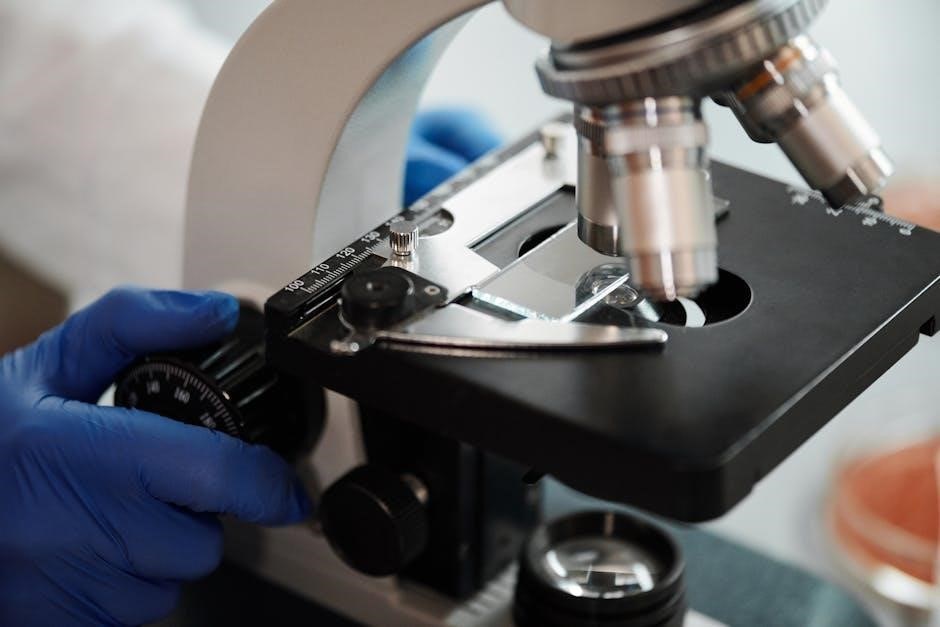
Examples include the sodium-potassium pump, vital for nerve impulse transmission, and endocytosis/exocytosis, processes for bulk transport of materials into and out of the cell. Understanding these mechanisms is fundamental to comprehending cellular function and nutrient uptake.
4.2 Cellular Respiration – Energy Production
Cellular respiration is the metabolic process by which cells break down glucose to generate ATP, the cell’s primary energy currency. This complex process occurs in several stages: glycolysis, the Krebs cycle (also known as the citric acid cycle), and the electron transport chain coupled with oxidative phosphorylation.
Glycolysis occurs in the cytoplasm, breaking glucose into pyruvate. The Krebs cycle takes place in the mitochondrial matrix, further oxidizing pyruvate and releasing carbon dioxide. The electron transport chain, located in the inner mitochondrial membrane, utilizes electron carriers to generate a proton gradient, driving ATP synthesis.
Aerobic respiration requires oxygen, yielding a significantly higher ATP output than anaerobic respiration (fermentation). Understanding the reactants, products, and locations of each stage is crucial for grasping energy production within cells.
4.3 Photosynthesis – Capturing Light Energy
Photosynthesis is the remarkable process used by plants, algae, and some bacteria to convert light energy into chemical energy in the form of glucose. This occurs within chloroplasts, specifically in the thylakoid membranes and the stroma.
The process is divided into two main stages: the light-dependent reactions and the Calvin cycle. Light-dependent reactions capture light energy to produce ATP and NADPH. The Calvin cycle then utilizes this energy to fix carbon dioxide, ultimately generating glucose.
Key components include chlorophyll, which absorbs light, and various protein complexes involved in electron transport. Understanding the inputs (water, carbon dioxide, light) and outputs (glucose, oxygen) is vital, as is knowing where each stage takes place within the chloroplast.
V. Genetics & Heredity
Genetics examines inheritance and variation, focusing on DNA’s role in transmitting traits from parents to offspring through generations and heredity.
5.1 DNA Structure and Replication
DNA, or deoxyribonucleic acid, is the blueprint of life, structured as a double helix composed of nucleotides. Each nucleotide contains a deoxyribose sugar, a phosphate group, and a nitrogenous base – adenine (A), thymine (T), guanine (G), or cytosine (C). A always pairs with T, and G with C, forming the ‘rungs’ of the DNA ladder.
Replication is the process by which DNA makes copies of itself. This occurs during the S phase of the cell cycle, ensuring each daughter cell receives a complete set of genetic instructions. Enzymes like DNA polymerase are crucial, adding nucleotides to the template strand following base-pairing rules.
Replication is semi-conservative, meaning each new DNA molecule contains one original strand and one newly synthesized strand. Understanding the roles of helicase (unwinding DNA), primase (initiating synthesis), and ligase (joining fragments) is vital. Errors during replication can lead to mutations, impacting genetic information.
5.2 From DNA to Protein – Transcription & Translation
Transcription and translation are the two key steps in gene expression – the process of turning DNA instructions into functional proteins. Transcription occurs in the nucleus, where RNA polymerase creates a messenger RNA (mRNA) copy from a DNA template. This mRNA carries the genetic code from the nucleus to the ribosomes.
Translation takes place in the ribosomes, where the mRNA sequence is decoded. Transfer RNA (tRNA) molecules bring specific amino acids to the ribosome, matching them to the mRNA codons (three-nucleotide sequences). These amino acids are linked together, forming a polypeptide chain – the precursor to a protein.
Understanding codons, anticodons, and the genetic code is crucial. Ribosomal structure and the roles of different RNA types (mRNA, tRNA, rRNA) are also important. This process ultimately determines an organism’s traits.
5.3 Mendelian Genetics – Principles of Inheritance
Gregor Mendel’s experiments with pea plants laid the foundation for our understanding of inheritance. Key concepts include genes, alleles (dominant and recessive), and genotypes (homozygous and heterozygous). The law of segregation states that allele pairs separate during gamete formation, and the law of independent assortment indicates that genes for different traits assort independently.
Punnett squares are essential tools for predicting the probability of offspring genotypes and phenotypes. Understanding monohybrid and dihybrid crosses is vital. Terms like phenotype (observable traits) and genotype (genetic makeup) must be clearly defined.
Be prepared to solve basic genetics problems involving dominant and recessive traits, and to interpret Punnett square results. Familiarize yourself with concepts like test crosses and incomplete dominance.