This guidance details employer duties under the Manual Handling Operations Regulations 1992, focusing on risk assessment, control measures, and employee health monitoring.
Overview of Manual Handling Risks
Manual handling presents significant risks, encompassing musculoskeletal disorders (MSDs) like back pain, strains, and sprains. These risks arise from transporting or supporting loads – including people – and are prevalent across diverse industries, particularly engineering and construction.
Hazardous tasks involve repetitive movements, awkward postures, forceful exertions, and prolonged physical effort. Failure to adequately assess and control these risks, as mandated by the Manual Handling Operations Regulations 1992, can lead to employee injury and associated costs.
Understanding these risks is crucial for implementing effective preventative measures and ensuring a safe working environment, aligning with both legal requirements and ethical responsibilities.
The Legal Framework: Manual Handling Operations Regulations 1992
The Manual Handling Operations Regulations 1992 (MHOR) are the cornerstone of legal requirements concerning manual handling safety in the UK. These regulations place a clear duty on employers to prevent harm to employees from hazardous manual handling tasks.
MHOR mandates a comprehensive risk assessment process, followed by the implementation of control measures to reduce risk. Employers must also provide adequate information, instruction, and training to employees.
Amendments in 2002 further clarified these duties. Compliance with MHOR is not merely a legal obligation but a fundamental aspect of responsible workplace management and employee wellbeing.
Key Elements of the MHOR 1992
MHOR 1992 centers on defining manual handling, outlining employer and employee responsibilities, and emphasizing thorough risk assessments for hazardous tasks.
Defining Manual Handling

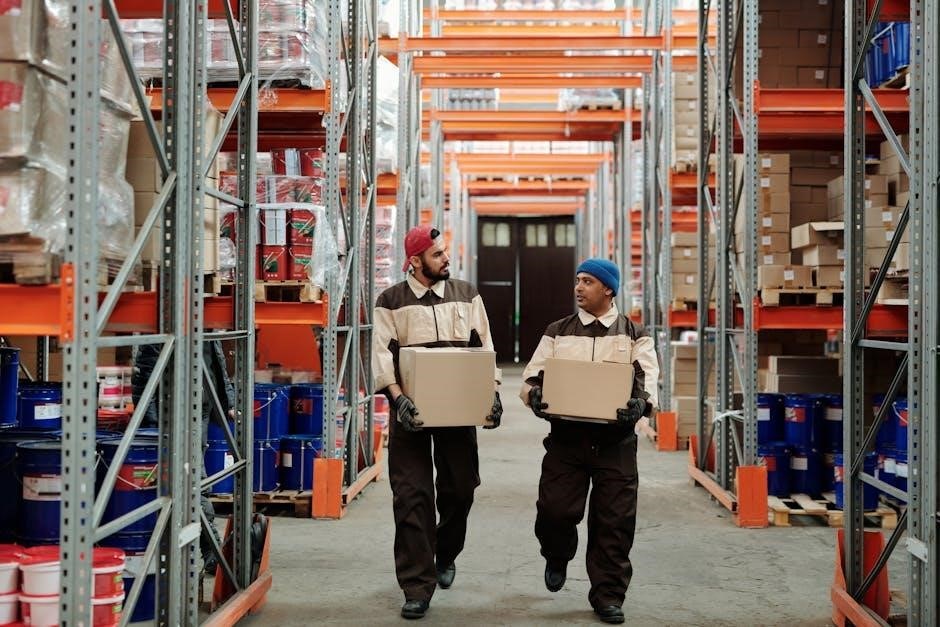
The Manual Handling Operations Regulations 1992 define manual handling as any transporting or supporting of a load – including lifting, lowering, pushing, pulling, carrying, or twisting. This encompasses loads that can be an object, person, or animal. Crucially, the regulations apply whenever physical effort is used to move or support these loads.
It’s not simply about heavy lifting; even seemingly light tasks can pose a risk if repeated frequently or involve awkward postures. The definition extends to a wide range of workplace activities, making a comprehensive understanding vital for compliance and employee wellbeing. Assessing each task individually is paramount to determine if it falls under these regulations.
Employer Responsibilities under MHOR
Employers have a primary duty to protect their employees from risks associated with manual handling. This includes conducting thorough risk assessments to identify hazardous tasks and implementing control measures to reduce those risks. The MHOR 1992 mandate that employers ensure employees are adequately trained on safe manual handling techniques and understand the risks involved.
Furthermore, employers must provide information and instruction, and where necessary, implement health surveillance to monitor employee wellbeing. Maintaining lifting equipment and ensuring it’s fit for purpose is also a key responsibility, alongside regularly reviewing and updating risk assessments.
Employee Responsibilities under MHOR
Employees also have responsibilities under the Manual Handling Operations Regulations 1992. They are obligated to follow the training provided and adhere to safe systems of work established by their employer. This includes utilizing provided equipment correctly and reporting any concerns regarding hazardous manual handling tasks.
Employees must cooperate with their employer in risk assessment processes and inform them of any health issues that may be aggravated by manual handling. A proactive approach to safety, including proper lifting techniques and awareness of potential risks, is crucial for employee wellbeing and compliance with the regulations.
Risk Assessment for Manual Handling
Risk assessments identify hazardous tasks, evaluating load, human capability, and the work environment to prevent injuries and ensure compliance with MHOR 1992.
Identifying Hazardous Manual Handling Tasks
Identifying risks involves a systematic review of all work activities where manual handling occurs. This includes observing employees, analyzing task requirements, and reviewing incident reports. Focus on tasks involving lifting, lowering, pushing, pulling, carrying, or supporting loads – whether people or objects.
Consider factors like repetitive movements, awkward postures, excessive force, and prolonged physical exertion. Mechanical and engineering industries often present high-risk scenarios. Prioritize tasks with a history of musculoskeletal disorders or near misses. A thorough assessment forms the foundation for effective control measures, aligning with the MHOR 1992 regulations and ensuring a safer working environment for all personnel.
Assessing Risk Factors (Load, Human, Environment)
A comprehensive risk assessment requires evaluating the load’s weight, size, and shape; the human factors like strength, posture, and training; and the environmental conditions such as floor surfaces, lighting, and space constraints.
Consider load characteristics – is it unstable or difficult to grasp? Assess individual capabilities – are employees adequately trained and physically fit for the task? Evaluate the workspace – are there obstructions or slippery surfaces? The MHOR 1992 emphasizes a holistic approach, recognizing that combined factors significantly increase risk. Prioritizing these elements ensures effective control measure implementation.
Implementing Control Measures
Following risk assessment, implementing robust control measures is crucial. These should prioritize eliminating manual handling where possible, or reducing the risk through engineering solutions like lifting aids or redesigned workstations.
If elimination isn’t feasible, administrative controls – such as safe systems of work, rotation of tasks, and adequate training – become essential. Employers must ensure employees understand the risks and safe handling techniques; Regular review and updates to control measures are vital, alongside health surveillance to monitor employee wellbeing and the effectiveness of implemented strategies, as dictated by MHOR 1992.
Control Measures: A Hierarchical Approach
A hierarchical approach prioritizes eliminating manual handling, then reducing risk through engineering and administrative controls, ensuring employee safety and compliance.
Elimination of Manual Handling
The most effective control measure is complete elimination of the hazardous manual handling task. This involves redesigning the job or process to remove the need for manual effort altogether. Consider automating the process with machinery, utilizing mechanical aids like conveyors or lifts, or restructuring workflows to minimize carrying distances.
If elimination isn’t feasible, explore alternatives that fundamentally change how the task is performed. This could involve breaking down larger loads into smaller, more manageable portions, or altering the layout of the workspace to reduce reaching and twisting. Prioritizing elimination demonstrates a proactive commitment to employee wellbeing and significantly reduces the risk of musculoskeletal disorders.
Reduction of Risk through Engineering Controls
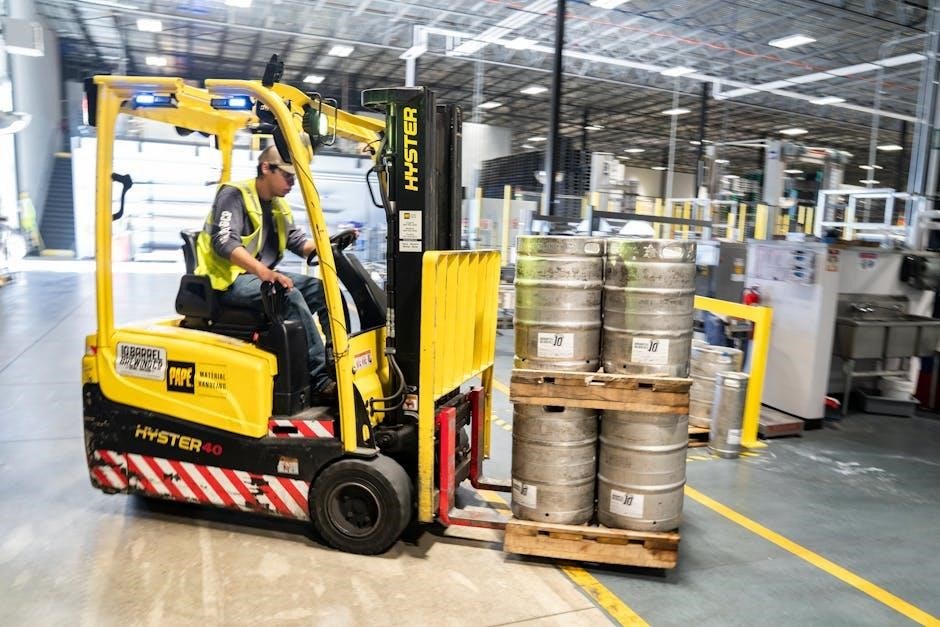
When eliminating manual handling isn’t possible, engineering controls are the next most effective risk reduction strategy. These involve physical changes to the workplace or equipment. Examples include installing adjustable work platforms to reduce bending, providing lifting aids like hoists or pallet trucks, and improving flooring surfaces to enhance stability.
Engineering controls should aim to minimize the physical demands of the task, such as reducing the weight of loads, improving access, and supporting the body during lifting. Regularly inspect and maintain all engineering controls to ensure they remain effective and fit for purpose, adhering to relevant regulations regarding lifting equipment.
Administrative Controls & Safe Systems of Work
When engineering controls aren’t fully effective, administrative controls and safe systems of work become crucial. These involve implementing procedures to reduce exposure to risk, such as rotating tasks to minimize repetitive strain, providing adequate rest breaks, and offering comprehensive manual handling training.
Safe systems of work should detail the correct lifting techniques, load characteristics, and environmental factors. Employers must ensure employees understand these procedures and consistently follow them. Regular review and updates to these systems are vital, alongside clear communication of risks and control measures, as stipulated by the MHOR 1992.
Health Surveillance and Monitoring
Health surveillance monitors employee health, considering manual handling risks; it’s essential for early detection of work-related musculoskeletal disorders and assessing control effectiveness.
The Purpose of Health Surveillance
Health surveillance, as dictated by the Manual Handling Operations Regulations 1992, isn’t simply about medical check-ups. Its core purpose is proactively monitoring an employee’s health in relation to the specific manual handling tasks they undertake. This means assessing their physical condition, identifying early signs of musculoskeletal disorders (MSDs), and tracking any changes over time.
Crucially, it helps determine the effectiveness of implemented control measures. If surveillance reveals an increase in MSD symptoms, it signals a need to re-evaluate risk assessments and refine preventative strategies. It also provides valuable data for informed decision-making regarding work adjustments and employee support, ultimately safeguarding their long-term health and wellbeing.
Monitoring Employee Health State
Effective monitoring of employee health state involves a systematic approach, exceeding basic questionnaires. Initial assessments establish a baseline, documenting pre-existing conditions and individual capabilities. Subsequent reviews, conducted at regular intervals, track changes – focusing on symptoms like pain, discomfort, or reduced range of motion.
These assessments should be conducted by a competent healthcare professional, familiar with the demands of manual handling. Records must be maintained confidentially, adhering to data protection regulations. The goal isn’t just detection, but early intervention, allowing for prompt adjustments to work practices and preventing the escalation of MSDs.

Lifting Equipment and its Regulation
Regulations mandate lifting equipment be fit for purpose, properly marked, and suitable for the task, requiring regular maintenance and thorough inspections for safety.
Ensuring Lifting Equipment is Fit for Purpose
To guarantee safety, lifting equipment must be meticulously selected to match the specific task demands and the loads it will handle. Thorough assessments are crucial, considering weight, lift height, and environmental factors. All equipment requires appropriate markings, clearly indicating its safe working load (SWL) and any limitations. Regular, documented inspections, conducted by competent personnel, are legally mandated. These inspections should identify wear, damage, or defects, prompting immediate repair or removal from service.
Proper installation and commissioning are also vital, ensuring the equipment operates as intended. Detailed records of inspections, maintenance, and repairs must be maintained for audit purposes, demonstrating compliance with regulations and a commitment to workplace safety.
Maintenance and Inspection of Lifting Equipment
Regular maintenance and inspection are paramount for safe lifting equipment operation. Inspections, performed by competent individuals, should occur before each use, and at intervals dictated by legislation and manufacturer’s recommendations. These checks identify defects like frayed ropes, damaged hooks, or malfunctioning brakes. Detailed records of all inspections, maintenance activities, and repairs are legally required, providing an audit trail.
Preventative maintenance schedules, including lubrication and component replacement, extend equipment lifespan and minimize failures. Any identified faults must be rectified promptly by qualified personnel before the equipment is returned to service, ensuring continued safe operation and regulatory compliance.

Amendments and Updates to the Regulations
The Manual Handling Operations Regulations were amended in 2002, reinforcing employer responsibilities and emphasizing proactive risk management strategies for employee safety.
Changes Introduced in 2002
The 2002 amendments to the Manual Handling Operations Regulations (MHOR) significantly clarified employer obligations regarding risk assessment and control. These updates emphasized a more proactive approach, demanding employers not only identify hazardous manual handling tasks but also implement effective measures to reduce risk to the lowest level reasonably practicable.
The revisions reinforced the importance of providing adequate information, instruction, and training to employees. Employers were further obligated to review risk assessments regularly and update them as necessary, particularly following any changes in work processes or equipment. The amendments also strengthened the focus on health surveillance, ensuring appropriate monitoring of employee health in relation to manual handling tasks.
Current State of the Legislation (as of 03/04/2026)
As of today, 03/04/2026, the Manual Handling Operations Regulations 1992 (as amended in 2002) remain the primary legislation governing manual handling safety in Great Britain. Enforcement is carried out by the Health and Safety Executive (HSE), who actively monitor compliance and investigate incidents.
Recent HSE guidance continues to emphasize a hierarchical approach to control measures, prioritizing elimination or reduction of risk at the source. Employers are expected to demonstrate a commitment to continuous improvement in manual handling safety, regularly reviewing risk assessments and adapting control measures as needed. The legislation is consistently referenced in legal cases involving workplace injuries.
Manual Handling in Specific Industries
Engineering, construction, and mechanical industries present unique manual handling challenges, requiring tailored risk assessments and adherence to MHOR 1992 regulations.
Engineering and Mechanical Industries
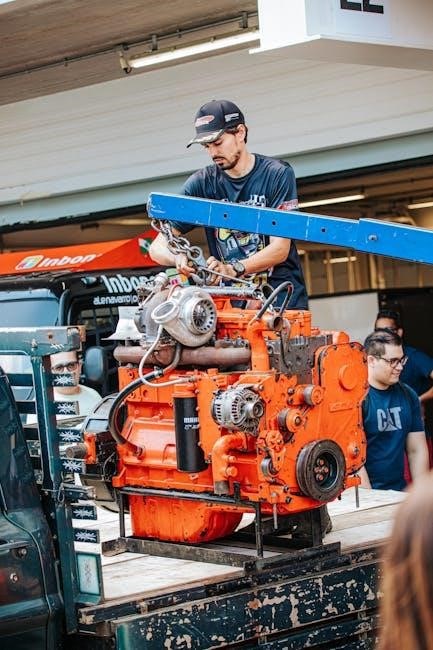
Within engineering and mechanical sectors, employees frequently engage in tasks involving the manual handling of heavy components, machinery parts, and tools. These operations inherently pose significant ergonomic risks, demanding strict adherence to the Manual Handling Operations Regulations 1992 (MHOR). Employers must conduct thorough risk assessments to identify hazardous tasks, considering load weight, repetition, posture, and environmental factors.
Control measures should prioritize elimination or reduction of risk through engineering controls like lifting aids and improved workstation design. Administrative controls, including safe systems of work and employee training, are also crucial. Regular health surveillance is essential to monitor employee wellbeing and detect early signs of musculoskeletal disorders. Compliance with MHOR is paramount to safeguarding worker health and preventing injuries in these demanding industries.
Construction Industry Considerations
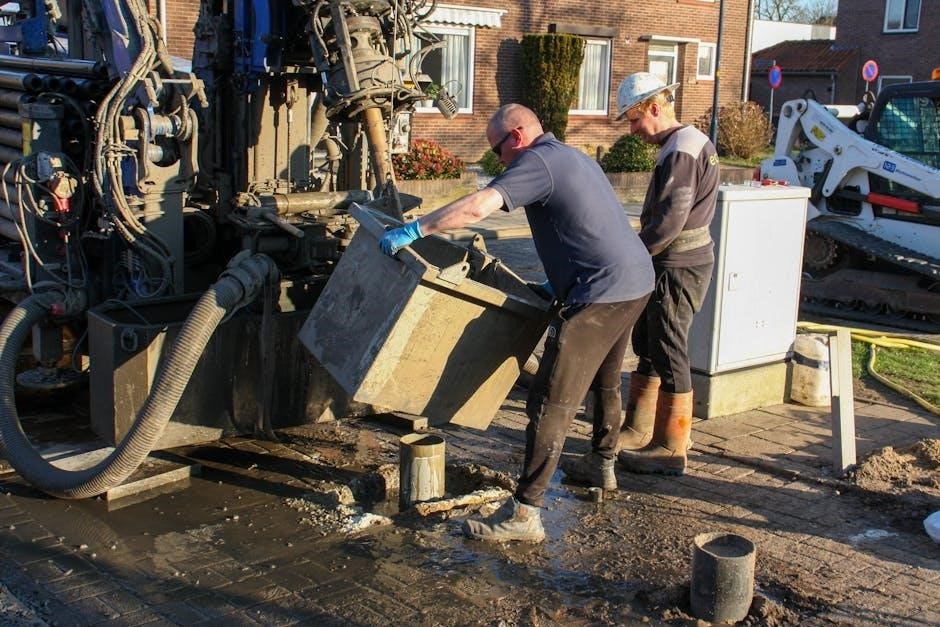
The construction industry presents uniquely challenging manual handling scenarios due to dynamic worksites, varied terrain, and frequently changing task demands. Workers routinely lift, carry, and position heavy materials like bricks, concrete, and timber, increasing the risk of musculoskeletal injuries. Employers must meticulously assess risks associated with these tasks, factoring in awkward postures, repetitive movements, and environmental conditions.
Effective control measures include utilizing mechanical assistance where feasible, implementing robust safe systems of work, and providing comprehensive training on proper lifting techniques. Regular equipment inspections and adherence to MHOR 1992 are vital. Prioritizing worker health through health surveillance programs is also essential within this high-risk sector.
International Standards and Regulations
Global ergonomic standards, like NOM-036-1-STPS-2018 (Mexico), address manual handling risks, emphasizing prevention and aligning with international transport guidelines for dangerous goods.
NOM-036-1-STPS-2018 (Mexico)
The Official Mexican Standard NOM-036-1-STPS-2018 comprehensively addresses ergonomic risk factors stemming from manual handling of loads in various workplaces. It mandates employers to identify, analyze, and prevent these risks, ensuring a safe working environment for employees. This standard details requirements for evaluating physical demands, implementing control measures, and providing worker training on proper lifting techniques and posture.
Furthermore, NOM-036-1-STPS-2018 emphasizes the importance of workplace design to minimize strain and promote neutral body positions during manual tasks. Regular risk assessments and health surveillance programs are also crucial components, ensuring early detection and prevention of musculoskeletal disorders. Compliance with this standard is legally required for businesses operating within Mexico, demonstrating a commitment to worker safety and well-being.
Transport of Dangerous Goods & Manual of Tests and Criteria
When handling dangerous goods, the Manual of Tests and Criteria provides essential classification guidelines, outlining specific test methods and procedures. These criteria dictate how substances are categorized based on their inherent hazards, impacting manual handling protocols. Safe transport relies on accurate classification, influencing packaging, labeling, and handling precautions.
The manual details requirements for assessing risks associated with manual handling of these materials, emphasizing the need for specialized training and appropriate personal protective equipment. Adherence to these standards minimizes the potential for incidents during loading, unloading, and transportation, safeguarding workers and the environment. Compliance also considers international regulations and sports federation rules.