Nursing study guides are essential tools for navigating the demanding curriculum and achieving success in this rewarding profession․ They provide a focused
approach to learning complex concepts, offering structured support for students facing rigorous coursework, simulations, and clinical experiences․ Embracing these guides
will empower you to confidently tackle assignments, master essential skills, and ultimately thrive in your nursing education journey, preparing you for a fulfilling career․
(Based on information from: https://www․nursingworld․org/content-hub/resources/becoming-a-nurse/tips-for-succeeding-in-nursing-school/)
Why Use Nursing Study Guides?
Nursing study guides are invaluable because nursing school presents a uniquely challenging academic landscape․ The sheer volume of information – encompassing anatomy, pharmacology,
medical-surgical concepts, and fundamental skills – can quickly become overwhelming․ These guides distill complex topics into manageable, focused segments, aiding comprehension and retention․
Unlike passive textbook reading, study guides actively engage students, prompting critical thinking and application of knowledge․ They often include practice questions mirroring exam formats,
allowing for self-assessment and identification of knowledge gaps․ Furthermore, effective guides streamline the study process, saving valuable time – a precious commodity for busy nursing students․
They aren’t simply summaries; they’re tools designed to enhance learning, improve performance, and ultimately, prepare future nurses for the demands of patient care․ Utilizing these resources
transforms learning from a daunting task into a structured, achievable process, fostering confidence and academic success․ (Based on: https://www․nursingworld․org/content-hub/resources/becoming-a-nurse/tips-for-succeeding-in-nursing-school/)
The Importance of Effective Study Strategies
Effective study strategies are paramount in nursing school, where rote memorization alone is insufficient․ The curriculum demands a shift towards applied learning and critical thinking․
Simply reading and re-reading textbooks yields limited results; active engagement with the material is crucial․ This includes techniques like self-testing, concept mapping, and teaching the material to others․
Nursing isn’t a passive experience; it requires applying classroom knowledge to real-world clinical scenarios․ Therefore, study methods must mirror this application․ Utilizing NCLEX-style practice
questions, for example, prepares students for the exam format and reinforces clinical reasoning skills․ Furthermore, a proactive approach – identifying learning styles and tailoring strategies accordingly – maximizes efficiency․

Successful nursing students understand that consistent, focused study sessions are more effective than last-minute cramming․ Prioritization, time management, and self-care are also integral components
of a robust study plan․ (Inspired by: https://www․nursingworld․org/content-hub/resources/becoming-a-nurse/tips-for-succeeding-in-nursing-school/)
Core Nursing Subjects & Study Approaches
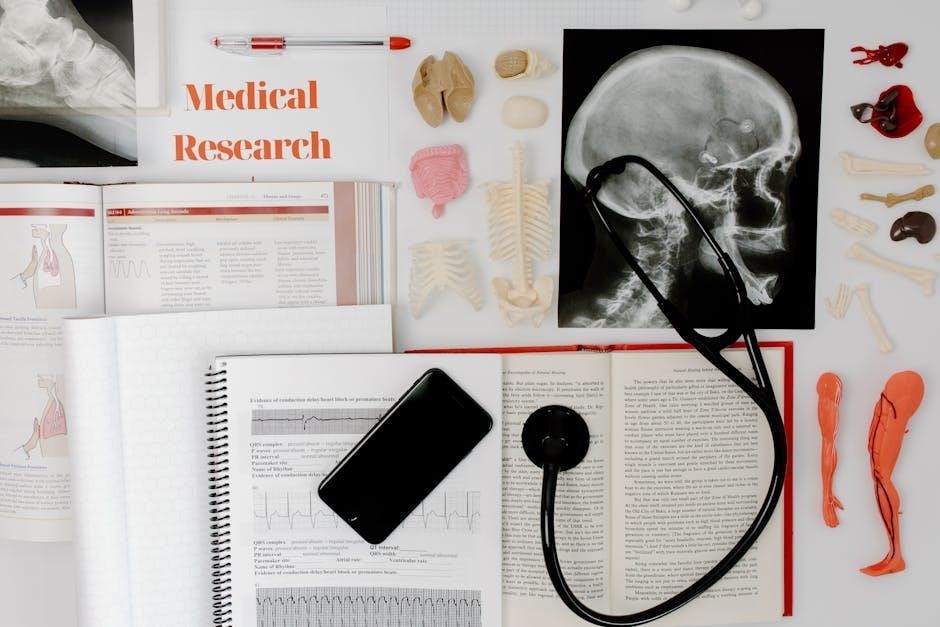
Core nursing subjects – anatomy, pharmacology, medical-surgical, and fundamentals – require diverse study techniques․ Mastering these foundational areas is vital for clinical success․
Anatomy and Physiology Study Tips
Anatomy and Physiology form the bedrock of nursing knowledge, demanding a strategic study approach․ Focus on understanding the function alongside the structure; don’t just memorize names! Utilize flashcards for terminology, and draw diagrams to visualize complex systems․
Break down the body into manageable systems – skeletal, muscular, nervous, cardiovascular, etc․ – and master each before moving on․ Active recall is key: test yourself frequently, rather than passively rereading notes․
Consider using online resources like interactive anatomy models and videos to enhance your understanding․ Relate anatomical structures to clinical scenarios; how does a fractured femur impact circulation? This contextualization solidifies learning․ Remember, a strong A&P foundation will significantly benefit your success in subsequent nursing courses․
Pharmacology: Mastering Medications
Pharmacology requires a systematic approach beyond simple memorization․ Focus on drug classes and their mechanisms of action, rather than individual drugs in isolation․ Utilize mnemonic devices to remember key drug effects and side effects․
Create drug cards summarizing essential information: indication, contraindications, nursing considerations, and patient teaching․ Understand the pharmacokinetic and pharmacodynamic principles – how drugs move through the body and what they do․
Practice applying your knowledge to clinical scenarios; calculate dosages accurately and identify potential drug interactions․ Utilize reliable resources like drug handbooks and online databases․ A solid grasp of pharmacology is crucial for safe and effective medication administration, a cornerstone of nursing practice․
Medical-Surgical Nursing: A Comprehensive Guide
Medical-Surgical nursing demands a holistic understanding of patient care․ Prioritize mastering common disease processes – pathophysiology, clinical manifestations, and medical management․ Focus on the nursing process: assessment, diagnosis, planning, implementation, and evaluation․
Utilize concept maps to connect related conditions and interventions․ Practice creating detailed care plans, incorporating patient-specific needs and evidence-based practice․ Emphasize fluid and electrolyte balance, acid-base disturbances, and wound care principles․
Integrate pharmacology knowledge to understand medication effects on medical-surgical patients․ Develop critical thinking skills to anticipate complications and respond effectively․ A strong foundation in medical-surgical nursing is vital for providing comprehensive patient care․
Fundamentals of Nursing: Building a Strong Foundation
Fundamentals of Nursing establishes the bedrock for your entire nursing career․ Concentrate on mastering core skills: vital signs, medication administration, infection control, and basic hygiene․ Prioritize understanding patient safety principles and ethical considerations․
Utilize practice scenarios to refine your technique and build confidence․ Focus on therapeutic communication – active listening, empathy, and clear articulation․ Emphasize documentation accuracy and the importance of the nursing process․
Integrate concepts of anatomy and physiology to understand the rationale behind nursing interventions․ Develop a strong understanding of legal and ethical responsibilities․ A solid grasp of fundamentals is crucial for providing safe, effective, and compassionate care․

Study Techniques for Nursing School
Effective study techniques are vital for nursing students, demanding a proactive learning mindset beyond passive absorption of information․ Embrace active recall,
spaced repetition, and NCLEX-style practice questions to solidify understanding and prepare for rigorous examinations and clinical applications․
Active Recall and Spaced Repetition
Active recall is a powerful learning technique where you actively try to retrieve information from memory, rather than passively rereading notes․ This strengthens neural pathways and improves retention․ Flashcards, practice questions, and self-testing are excellent methods for active recall in nursing․
Complementing this is spaced repetition, which involves reviewing material at increasing intervals․ Instead of cramming, revisit concepts shortly after learning them, then again after a day, a week, and so on․ This combats the forgetting curve and ensures long-term knowledge retention․
Combining these techniques is incredibly effective․ For example, use flashcards (active recall) and schedule reviews using a spaced repetition system․ This approach transforms studying from a passive activity into an engaging and efficient process, crucial for mastering the vast amount of information in nursing school․
Utilizing NCLEX-Style Practice Questions
NCLEX-style practice questions are invaluable for nursing students, serving as a bridge between coursework and the licensing exam․ These questions aren’t simply about recalling facts; they emphasize critical thinking, clinical judgment, and the application of knowledge to patient scenarios․
Regularly incorporating these questions into your study routine familiarizes you with the exam format, question types (multiple-choice, SATA, drag-and-drop), and the prioritization needed to select the best answer․ Analyze both correct and incorrect answers to understand the reasoning behind them․
Many nursing study guides and online platforms offer extensive question banks․ Treat these practice tests as simulated exams, timing yourself and creating a realistic testing environment․ This builds confidence and reduces anxiety, ultimately preparing you for success on the NCLEX․
Creating Effective Nursing Care Plans
Nursing care plans are a cornerstone of clinical practice and a vital component of nursing education․ Study guides often provide templates and examples to help students master this skill․ An effective care plan begins with a thorough assessment of the patient, identifying their needs and potential problems․
Next, formulate clear, measurable nursing diagnoses based on the assessment data․ Develop specific, individualized interventions designed to address these diagnoses․ Remember to include rationales – the scientific justification for each intervention․
Finally, establish criteria for evaluating the effectiveness of your interventions․ Practice constructing care plans regularly, utilizing case studies and real-world scenarios․ This skill translates directly to clinical rotations and prepares you for professional practice․
Mind Mapping for Complex Concepts
Mind mapping is a powerful visual learning technique, particularly useful for grasping the interconnectedness of complex nursing concepts․ Study guides can demonstrate how to effectively utilize this method․ Begin with a central idea – a disease process, medication, or nursing intervention – and branch out with related subtopics․

Use keywords, colors, and images to enhance recall and create associations․ This non-linear approach mirrors how the brain naturally processes information, making it easier to understand and remember intricate details․
Mind maps are excellent for organizing information before writing care plans or preparing for exams․ They facilitate a holistic understanding, revealing relationships between seemingly disparate concepts, ultimately improving comprehension and retention․

Resources for Nursing Students
Numerous resources bolster nursing education, including online platforms, recommended textbooks, university tutoring, and collaborative study groups, all aiding comprehension and success․
Online Nursing Study Platforms
Numerous online platforms have emerged as invaluable resources for nursing students, offering diverse learning tools and support systems․ These platforms frequently provide comprehensive question banks mirroring the NCLEX format, allowing students to practice and refine their test-taking skills․
Many offer detailed rationales for both correct and incorrect answers, fostering a deeper understanding of the underlying concepts․ Interactive modules, video lectures, and personalized learning plans cater to various learning styles․
Furthermore, some platforms facilitate collaboration with peers through forums and study groups․ Access to these resources often requires a subscription fee, but the investment can significantly enhance learning outcomes and boost confidence․ Exploring options like Kaplan, UWorld, and ATI is highly recommended to find a platform that aligns with individual needs and preferences․
Recommended Nursing Textbooks
Solid foundational textbooks remain crucial components of effective nursing study guides, complementing online resources and clinical experiences․ For Anatomy & Physiology, Marieb & Hoehn’s Human Anatomy & Physiology is a widely respected choice, known for its clarity and comprehensive coverage․
In Pharmacology, Lippincott Illustrated Reviews: Pharmacology offers a visually engaging and concise approach to mastering medications․ For Medical-Surgical Nursing, Hinkle and Cheater’s Textbook of Medical-Surgical Nursing provides a detailed and thorough overview of common conditions and interventions․
Fundamentals of Nursing by Potter and Perry is a classic resource, establishing core principles․ Always check with your specific program for required texts, but these represent consistently recommended options․ Supplementing these with focused study guides and NCLEX review books will further enhance your preparation․
Utilizing University Resources (Tutoring, Libraries)
Maximizing university resources is a cornerstone of successful nursing study guides and academic performance․ Most institutions offer free tutoring services, providing personalized support in challenging subjects like anatomy, pharmacology, and medical-surgical nursing․ Don’t hesitate to seek assistance when struggling with concepts․
University libraries are invaluable, offering access to a wealth of textbooks, journals, and online databases․ Librarians can assist with research and locating relevant materials for assignments and care plan development․
Furthermore, explore workshops on study skills, time management, and test-taking strategies often offered by student success centers․ Proactively utilizing these resources demonstrates a commitment to learning and significantly enhances your ability to thrive in the rigorous nursing curriculum․
The Role of Study Groups
Study groups are a powerful component of effective nursing study guides and a collaborative learning strategy․ Forming a group allows students to share knowledge, clarify concepts, and reinforce understanding through teaching others․ Discussing complex topics, like care plans or disease processes, with peers can reveal different perspectives and deepen comprehension․
Effective study groups involve active participation, shared responsibility, and a focus on problem-solving․ Utilize each other’s strengths, quiz one another using NCLEX-style questions, and collaboratively review challenging material․
Remember to establish clear goals and maintain a respectful environment․ A well-functioning study group can significantly enhance learning and reduce feelings of isolation during the demanding nursing program․
Clinical Rotation Preparation
Effective preparation for clinical rotations involves reviewing core concepts, practicing skills in simulations, and anticipating real-world patient care scenarios․
This proactive approach builds confidence and ensures a smoother transition into the clinical setting․
Pre-Clinical Preparation Strategies
Prior to each clinical rotation, dedicate time to thoroughly review relevant patient populations, common diagnoses, and associated nursing interventions․ Utilize your nursing study guides to reinforce understanding of key concepts and medications frequently encountered in the clinical setting․
Focus on mastering essential skills through practice in the lab, including medication administration, wound care, and assessment techniques․ Familiarize yourself with the hospital’s electronic health record (EHR) system to efficiently document patient information․
Research the specific unit where you’ll be rotating – understand its typical patient load, common procedures, and the roles of various healthcare professionals․ Prepare a list of potential questions to ask your clinical instructor and preceptor, demonstrating initiative and a commitment to learning․
Reviewing care plans and case studies beforehand can also provide valuable insight into potential patient scenarios you may encounter, enhancing your preparedness and confidence․
Post-Clinical Reflection and Debriefing
Following each clinical day, dedicate time for thoughtful reflection on your experiences․ Utilize your nursing study guides to revisit concepts applied in practice and identify areas needing further clarification․
Journaling is a powerful tool – document challenging situations, successful interventions, and lessons learned․ Analyze your clinical performance, focusing on both strengths and areas for improvement․
Actively participate in debriefing sessions with your clinical instructor and peers․ Discuss patient cases, share insights, and seek constructive feedback․
Refer back to your care plans and assess how they aligned with actual patient outcomes․ Use this process to refine your critical thinking skills and enhance your clinical judgment․
Consistent reflection, guided by your study materials, solidifies learning and prepares you for future clinical encounters․
Developing Critical Thinking Skills in Clinicals
Nursing study guides are invaluable for honing critical thinking during clinical rotations․ They provide a framework for analyzing patient data, recognizing patterns, and formulating appropriate nursing interventions․
Utilize case studies within your guides to practice applying theoretical knowledge to real-world scenarios․ Anticipate potential complications and develop contingency plans․
Question your assumptions and challenge conventional thinking․ Actively seek to understand the why behind nursing actions, not just the how․
Employ the SBAR (Situation, Background, Assessment, Recommendation) communication technique, reinforced by your guides, to concisely convey patient information․
Regularly review pathophysiology and pharmacology concepts to deepen your understanding of disease processes and medication effects, fostering informed clinical decision-making․

Time Management & Wellbeing
Nursing study guides facilitate efficient learning, freeing up time for self-care․ Prioritize tasks, schedule breaks, and maintain a healthy work-life balance for sustained success․
Creating a Realistic Study Schedule
Effective time management is paramount in nursing school, and nursing study guides can be integrated seamlessly into a well-structured schedule․ Begin by realistically assessing your commitments – classes, clinicals, work, and personal obligations․
Break down large tasks into smaller, manageable chunks, allocating specific time slots for each subject and utilizing study guides for focused review․ Prioritize topics based on upcoming exams or clinical rotations․

Don’t forget to schedule regular breaks to prevent burnout; even short intervals can significantly improve concentration․ Incorporate flexibility into your schedule to accommodate unexpected events or challenging concepts․
Remember, a realistic schedule isn’t about cramming everything in, but about consistently dedicating focused time to learning, supported by the organization provided by your study guides․
(Based on information from: https://www․nursingworld․org/content-hub/resources/becoming-a-nurse/tips-for-succeeding-in-nursing-school/)
Prioritizing Tasks and Avoiding Burnout
Nursing study guides can be instrumental in prioritizing tasks effectively․ Identify high-yield topics – those frequently tested or crucial for clinical practice – and focus your initial efforts there; Utilize the guide’s summaries and practice questions to quickly assess your understanding․
Learn to differentiate between urgent and important tasks, tackling critical assignments first․ Don’t hesitate to seek help from professors, tutors, or study groups when struggling with challenging material․
Crucially, avoid burnout by scheduling regular self-care activities․ This includes adequate sleep, healthy eating, exercise, and time for hobbies․ Remember, taking care of yourself is not selfish; it’s essential for sustained academic performance and future patient care․
Integrating study guides into a balanced lifestyle promotes efficient learning and prevents overwhelming stress․
(Based on information from: https://www․nursingworld․org/content-hub/resources/becoming-a-nurse/tips-for-succeeding-in-nursing-school/)
Maintaining Physical and Mental Health
Nursing study guides, while valuable, shouldn’t come at the expense of your wellbeing․ Maintaining physical and mental health is paramount during the rigorous demands of nursing school․ Prioritize sufficient sleep – aim for 7-8 hours nightly – to enhance cognitive function and memory consolidation․
Nourish your body with a balanced diet, rich in fruits, vegetables, and lean protein․ Regular physical activity, even a short walk, can significantly reduce stress and improve mood․
Equally important is mental health․ Practice mindfulness, meditation, or deep breathing exercises to manage anxiety․ Connect with friends and family for emotional support, and don’t hesitate to seek professional help if needed․
Remember, a healthy mind and body are foundational to academic success and compassionate patient care․
(Based on information from: https://www․nursingworld․org/content-hub/resources/becoming-a-nurse/tips-for-succeeding-in-nursing-school/)

Exam Preparation Strategies
Utilizing nursing study guides alongside practice questions is crucial for exam success․ Understand the format, manage anxiety, and apply learned concepts effectively;
(Based on information from: https://www․nursingworld․org/content-hub/resources/becoming-a-nurse/tips-for-succeeding-in-nursing-school/)
Understanding Exam Formats
Navigating nursing exams requires recognizing diverse question types․ Many assessments employ multiple-choice questions, demanding careful reading and critical thinking to discern the most correct answer, not just a seemingly right one;
Furthermore, prepare for prioritization questions – scenarios requiring you to sequence nursing actions based on patient needs․ Dosage calculation problems are also common, necessitating accuracy and a firm grasp of pharmaceutical principles․
Case studies present complex patient situations, testing your ability to integrate knowledge and formulate comprehensive care plans․ Familiarize yourself with these formats through nursing study guides and practice questions․
Understanding what to expect reduces anxiety and allows you to strategically allocate your time during the exam, maximizing your performance and demonstrating your clinical competency․
(Based on information from: https://www․nursingworld․org/content-hub/resources/becoming-a-nurse/tips-for-succeeding-in-nursing-school/)
Test-Taking Anxiety Management
Nursing school exams can trigger significant anxiety, but effective management strategies are crucial․ Nursing study guides often incorporate relaxation techniques, such as deep breathing exercises and positive self-talk, to calm pre-exam nerves․
Prioritize sufficient sleep and a nutritious diet in the days leading up to the exam; avoid all-nighters, which can exacerbate anxiety and impair cognitive function․ Practice mindfulness to stay present and focused, reducing ruminating thoughts․
Visualize success and remember your preparation․ If anxiety becomes overwhelming, consider utilizing campus counseling services or exploring stress-reduction workshops․
Remember that feeling nervous is normal, but learning to control those feelings will empower you to perform at your best and demonstrate your knowledge confidently․
(Based on information from: https://www․nursingworld․org/content-hub/resources/becoming-a-nurse/tips-for-succeeding-in-nursing-school/)