Overview of Exsultet Music PDFs
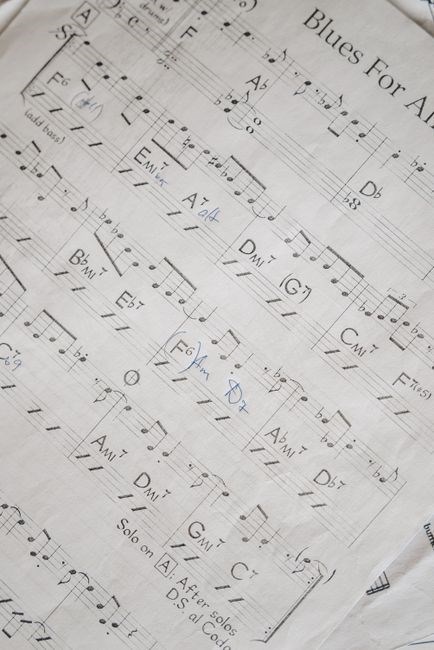
Exsultet music PDFs offer free, searchable files for the Easter Vigil hymn. Users can download .pdf, ;txt, or view online. The documents contain the Latin text, Gregorian chant notation, and performance notes for cantors, deacons, and priests. Use for choir rehearsals.
Historical Context of the Exsultet Hymn
The Exsultet, or Easter Proclamation, originates from the 4th‑century Christian Easter liturgy. It became a formal, sung announcement of Christ’s resurrection, replacing earlier spontaneous exclamations. By the 6th century, the hymn was fixed in the Easter Vigil, with its text and melody transmitted orally before codification in Roman chant. The Latin text, preserved from early manuscripts, emphasizes triumph over death and humanity’s restoration. Over centuries, the Exsultet adapted to styles from plainchant to Renaissance polyphony, yet remained central to the vigil’s solemnity. Its lasting presence in modern Catholic liturgy bridges ancient worship with contemporary celebration, inviting faithful to rejoice in resurrection with joy and reverence and!
During the Middle Ages, the Exsultet entered the Roman Breviary and Gradual, with composers like Palestrina and Mozart crafting elaborate settings that highlighted its jubilant character. In the 20th century, liturgical reforms prompted modern editions preserving the original Latin while adding translations and musical adaptations; The 1979 Book of Common Prayer presents the Exsultet in a form blending traditional chant with accessible notation, enabling clergy and laity to participate. Today, digital PDFs provide worldwide access, fostering a global community of performers who honor its historical significance while adapting it to diverse musical traditions for all generations!
Sources for Exsultet Sheet Music PDFs
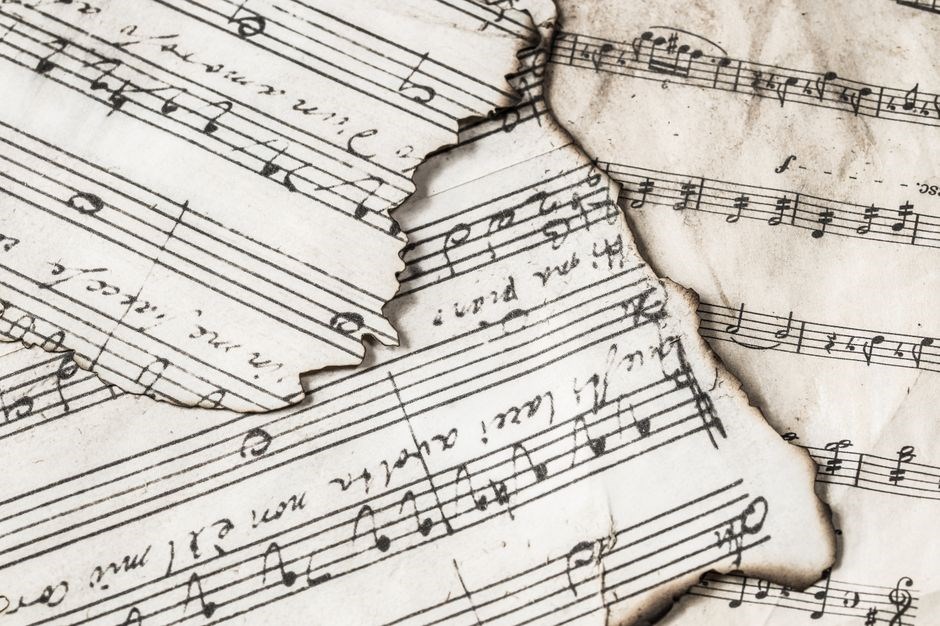
Free Exsultet PDFs are available from Catholic Press, online libraries, community sites. Download .pdf, .txt, or view online. view free! These files include Latin text, Gregorian chant notation, performance notes for clergy and choir.
Official Catholic Press Publications
Official Catholic Press Publications provide authoritative Exsultet PDFs that include the Latin text, Gregorian chant notation, and detailed performance instructions for clergy and choir. Oregon Catholic Press offers a Sacramentary Edition PDF preview of the Easter Proclamation, featuring the Exsultet text, musical score, and cantorial cues. These files are available for free download in .pdf format, with optional .txt versions for text‑only use, and can also be viewed online. The PDFs are designed for liturgical use, ensuring accurate representation of the traditional chant melody and liturgical rubrics. Users can download, print, and incorporate them into Easter Vigil rehearsals, ensuring compliance with canonical norms. The documents are licensed for non‑commercial use by churches, schools, and individual musicians, and are distributed under a Creative Commons license that permits sharing and adaptation within the bounds of ecclesiastical guidelines. For those seeking a complete resource, the Oregon Catholic Press website hosts a searchable database of Exsultet PDFs, including variations for different liturgical seasons and language translations. The official publications also provide accompanying audio recordings and instructional videos to aid in proper chant delivery. By utilizing these official PDFs, performers gain access to high‑quality, vetted material that supports the solemnity of the Easter Vigil and promotes uniformity across parishes worldwide. These PDFs ensure uniformity and reverence across parishes, preserving the Easter Vigil heritage!
Formats and Accessibility
Exsultet PDFs are available as downloadable .pdf, .txt, or online view. PDFs support screen readers, include alt‑text, and allow zoom. Users can adjust font size or download versions for large‑print needs, ensuring accessibility.more
PDF vs Text vs Online Viewing
When accessing Exsultet music, users can choose from three primary formats: the traditional PDF, plain‑text files, or web‑based viewers. PDFs preserve the original musical notation, page layout, and color‑coded instructions, making them ideal for printed rehearsal programs and for musicians who rely on visual cues. Plain‑text versions strip away the musical staff, leaving only the Latin text and any chant syllabic annotations; they are lightweight, searchable, and compatible with screen readers, which benefits visually impaired users. Online viewers combine the strengths of both: they render the PDF in the browser, allow zooming and annotation, and often include embedded audio of the chant. This format is convenient for remote rehearsals or quick reference during services, as it eliminates the need to download a file. Each format serves a distinct purpose, and many choirs switch between them depending on rehearsal stage, device, and accessibility needs.
In practice, many clergy prefer the PDF for its fidelity to its original liturgical layout, while musicians often rely on the plain‑text for quick reference during rehearsals. Online viewers offer the best of both worlds, enabling instant updates and collaborative annotation among remote choirs. The PDF also supports annotations for choir leaders.!!
Musical Settings and Notation
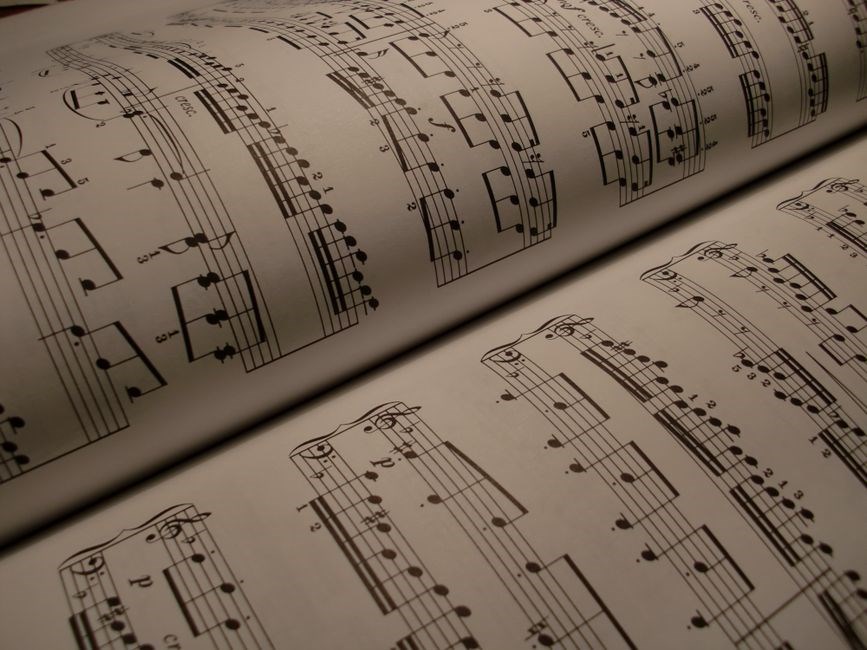
Exsultet PDFs showcase Gregorian chant notation, with neumes, mensural symbols, and key signatures. Transcriptions include chant syllables, rhythmic markings, and optional harmonizations for choir or soloists. For liturgy, choir.!!
Traditional Gregorian Chant
Exsultet chants use Gregorian modal system, usually mode I or II. Neumes lack rhythmic values, relying on natural flow. Text follows a melodic line rising to a climax at the “Easter” refrain, then descending in a contemplative cadence. Traditionally a cappella by choir or solo cantor, with priest or deacon joining on final verses. Notation includes Latin text, chant syllables, and Gregorian pitch based on medieval organum. Melodic structure supports liturgical proclamation of Resurrection, Easter Vigil narrative. Modern editions transcribe chant into staff notation, preserving neumatic style while allowing performers to read with symbols. Exsultet’s Gregorian chant is to Vigil, and PDF versions offer representation, enabling choirs worldwide to perform with accuracy and reverence. Modal character expressed through authentic and plagal modes, finalis set to tonic. Rhythmic freedom lets cantor adjust tempo to solemnity, melodic line often ornamented with melismas emphasizing theological significance. Chant’s contour guides congregation through Resurrection narrative, culminating in jubilant climax reflecting Easter joy. The chant’s melodic line is structured in phrases that align with liturgical text, each beginning on a new note to highlight theological themes. Melisma on key words such as ‘Resurrection’ underscores Christ’s triumph. The chant performed for solemnity, adaptable to choir. PDF editions include detailed cantorial instructions, breathing marks, suggested tempo changes to aid. PDF editions preserve neumes, allowing performance.
Instrumental Arrangements
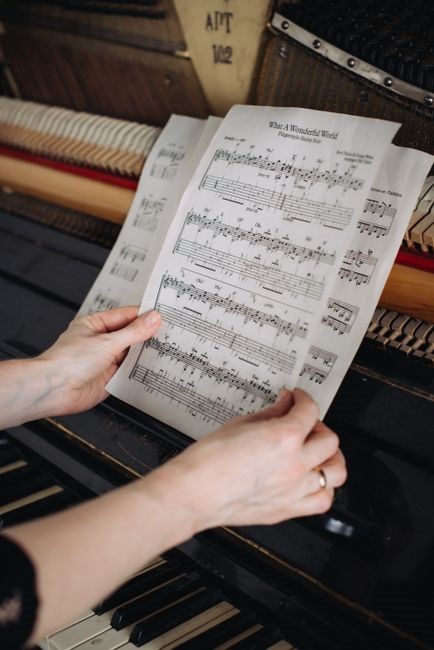
Instrumental arrangements of the Exsultet include piano, guitar, and flute transcriptions. These adaptations preserve the chant’s melodic line while adding harmonic support. Musicians can use them for rehearsals or liturgical accompaniment, experience.It supports choir for all
Piano, Guitar, and Flute Transcriptions
Free Exsultet sheet music is available in downloadable PDF format, offering faithful transcriptions for piano, guitar, and flute. These arrangements preserve the original Gregorian chant melody while adding harmonic accompaniment suitable for solo or ensemble performance. The piano transcription provides a full harmonic framework, allowing the pianist to support the chant’s modal structure with sustained chords and subtle rhythmic support. Guitarists can play the melody on the higher strings, using arpeggiated chords to emulate the chant’s flowing line. Flute transcriptions capture the lyrical quality of the original chant, enabling a solo flutist to present the hymn with expressive phrasing. Musicians can download the PDF, print it, or view it online, making it convenient for rehearsal or liturgical use. The community platform hosts over one million sheet music files, ensuring that performers have access to high‑quality, editable scores for the Exsultet. These arrangements are ideal for Easter Vigil services, choir rehearsals, or personal study, providing a versatile resource for clergy and musicians alike. These PDFs are designed with clear page breaks, rehearsal marks, tempo cues, guides, allowing ensembles to prepare efficiently for the solemn Easter Vigil while maintaining the chant’s traditional integrity.!
Usage in Liturgical Services
Exsultet PDFs guide cantors, deacons, and priests during the Easter Vigil. The file shows Latin text, chant notation, and rehearsal marks, enabling precise timing for the proclamation, candle lighting, and communal singing. daily!
Easter Vigil Performance Guidelines
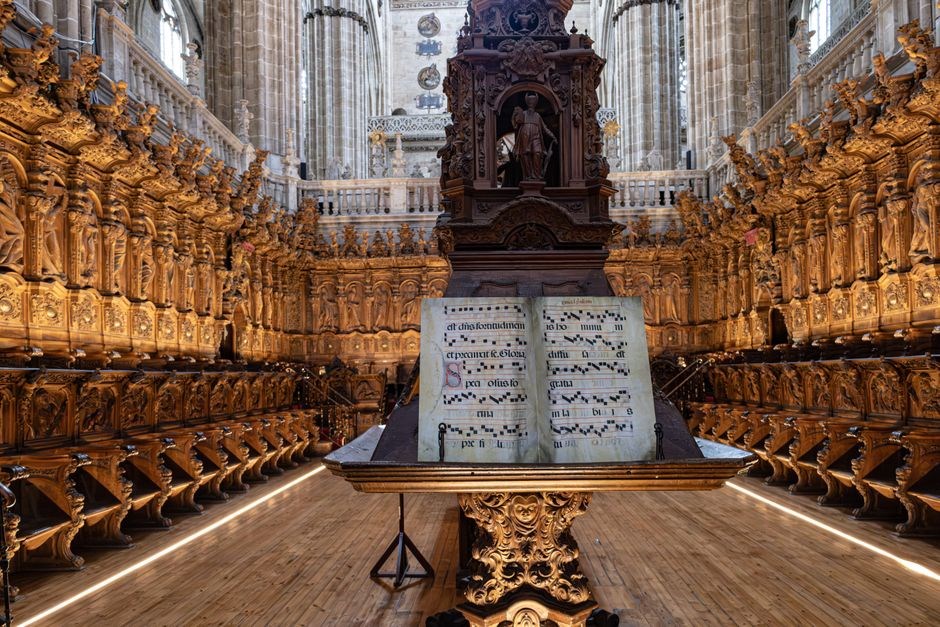
Exsultet PDFs contain detailed instructions for the Easter Vigil. The chant is divided into verses, each marked with a specific liturgical action: the lighting of the Paschal candle, the proclamation of the Resurrection, and the reading of the Gospel. The PDF shows the Latin text, Gregorian notation, and rehearsal marks for the cantor, deacon, and priest. It also includes tempo indications, breathing points, and dynamic cues to ensure a solemn, cohesive performance. During the vigil, the Exsultet is sung after the candle is lit, before the Gospel reading, and before the blessing of the congregation. Musicians should follow the PDF’s tempo markings, adjust volume for choir balance, and rehearse the breathing points to maintain the chant’s flow. The document’s layout allows for quick reference during the service, making it an essential tool for clergy and choir directors preparing for the Easter Vigil.
The PDF also provides rehearsal marks for the choir, indicating where to pause for candle lighting and where to emphasize the Latin text. It includes tempo markings in quarter notes, allowing the cantor to keep the chant flowing smoothly. The layout is designed for quick reference, with clear headings and page numbers, making it ideal for use in small parish churches and larger cathedral settings. The PDF also provides rehearsal marks for the choir, indicating where to pause for candle lighting and where to emphasize the Latin text. It includes tempo markings in quarter notes, allowing the cantor to keep the chant flowing smoothly. The layout is designed for quick reference, with clear headings and page numbers, making it ideal for use in small parish churches and larger cathedral settings for all and
Community and Sharing Platforms
Exsultet PDFs thrive on online sheet‑music forums, where musicians share free files and performance tips. Communities like MuseScore, IMSLP, and Catholic sites host PDFs, offer commentary, and enable collaborative editing online.
Online Sheet Music Communities
Exsultet PDFs are widely shared on several digital platforms that host thousands of free scores. The most popular sites include MuseScore, IMSLP, and Catholic‑focused repositories such as the Catholic Music Archive. Users can download the full PDF, view the text version, or embed the score in a web page. These communities provide comment sections where performers discuss ornamentation, tempo, and liturgical context. Many contributors upload transcriptions for piano, guitar, and flute, allowing musicians of all skill levels to practice the hymn. The collaborative nature of these sites also encourages the addition of new arrangements, translations, and performance notes, ensuring that the Exsultet remains accessible for future generations of worshippers and musicians alike.
These platforms also host discussion threads where musicians share audio recordings, rehearsal tips, and liturgical insights; Many users create annotated PDFs that highlight rhythmic nuances, melodic phrasing, and harmonization options. The collaborative editing tools allow contributors to suggest alternative key signatures, tempo markings, and vocal ranges, ensuring that the Exsultet can be adapted to diverse choir sizes and acoustic settings. Additionally, some communities provide downloadable MIDI files and chord charts, making it easier for instrumentalists to accompany the chant during services it easi
Licensing and Copyright
Exsultet PDFs often fall under public domain or specific licenses. Many free downloads are licensed for non‑commercial use, while others require attribution or a purchase. Always verify the copyright status before distributing or printing in services. for public use.
Public Domain vs Licensed Works
When accessing Exsultet PDFs, it is crucial to distinguish between public‑domain editions and those protected by copyright. The original Latin text and Gregorian chant notation are centuries old and therefore in the public domain; many online repositories offer free, unmodified versions that can be copied, printed, and shared without restriction. However, modern editions that include editorial commentary, harmonizations, or updated liturgical texts are often produced by publishers such as Oregon Catholic Press or the Catholic Press and are subject to copyright. These licensed works usually require a purchase or a license agreement for use beyond personal study. Some free PDFs are released under Creative Commons licenses that allow non‑commercial use with attribution; others are marked “All rights reserved” and must not be redistributed. Musicians and choirs should verify the license status before printing for rehearsal or public performance, and consult the publisher’s terms for any digital distribution. In short, public‑domain PDFs can be freely used, while licensed versions demand compliance with the specified copyright conditions. For those who wish to distribute the PDF in a public setting, consult the publisher’s licensing terms or seek permission from the rights holder to avoid infringement!

Technical Tips for Downloading and Printing
Download a high‑resolution PDF, use “Print as image” to keep spacing, set page size to A4, enable “fit to page,” and choose high quality in printer settings. For large groups, batch‑print via command line. Use a PDF viewer that supports high‑dpi printing for results.
PDF Optimization and Print Settings
When preparing an Exsultet PDF for choir use, start by ensuring the source file is in vector format—most online versions are already. Open the file in Adobe Acrobat or a free alternative like PDF-XChange Editor. Under “File → Print,” select “Adobe PDF” or “Microsoft Print to PDF” to create a new, compressed copy. In the “Print” dialog, choose “High Quality Print” and set “Page Scaling” to “Fit to Printable Area.” This preserves the original spacing of the chant staves and text. For large‑group printing, enable “Multiple Pages per Sheet” and set “Layout” to “2‑by‑2” to reduce paper waste. If the PDF contains embedded fonts, use the “Print as Image” option to avoid font substitution issues that can distort the notation. Finally, before printing, preview the page layout; check that the margins are at least 0.5 in on all sides to prevent clipping of the final staff lines. Save the optimized PDF under a new name, such as “Exsultet‑Optimized‑2026.pdf,” and keep a backup of the original. When using a high‑res PDF, check the embedded font subset to ensure chant staves render on all devices. If the file size exceeds 5 MB, consider splitting the PDF into two parts: one for the score and one for the accompaniment. This approach reduces memory usage during playback and printing. Bleed margins set correctly.