Overview of Twisted Hate
Twisted Hate offers a chilling exploration of prejudice‚ set in a dystopian future where societal divisions are amplified. The narrative follows a reluctant protagonist who uncovers hidden truths‚ challenging readers to confront uncomfortable realities about bias and belonging. A gripping tale.
What to Expect from the Book
Twisted Hate immerses readers in a world where prejudice is woven into the very fabric of society‚ creating a tense atmosphere that lingers long after the final page. The narrative follows a protagonist who‚ initially unaware of the depth of the divisions around them‚ gradually uncovers layers of hidden history and secret alliances that challenge them. Through vivid descriptions and sharp dialogue‚ the author paints a landscape where every choice carries weight‚ and every interaction can tip the balance between compassion and cruelty. As the plot unfolds‚ readers will encounter a series of moral dilemmas that force them to question their own biases and the systems that reinforce them. The pacing is deliberate‚ allowing moments of reflection to interlace with high‑stakes confrontations that keep the tension alive. Themes of identity‚ belonging‚ and the corrosive nature of hate are explored with nuance‚ avoiding simplistic binaries and instead presenting characters who embody contradictions. The book’s structure encourages readers to piece together clues‚ fostering an engaging mystery that culminates in a powerful revelation about the roots of hatred. In addition to the main storyline‚ side narratives provide depth to supporting characters‚ revealing their motivations and the personal costs of living in a polarized world. The prose is lyrical yet accessible‚ striking a balance that appeals to both literary enthusiasts and genre fans. Readers will find the narrative very unsettling thought‑provoking.
Author Background
Born in a small coastal town‚ the author grew up surrounded by stories of resilience and conflict. Their early works blended speculative fiction with social critique‚ earning critical acclaim and a dedicated readership eager for deeper exploration of human nature.!!!!!!!!!
Biography and Writing Style
Born in 1985 in a coastal town‚ author developed a fascination with narrative structure early on. Their first published short story appeared in a local literary magazine when they were just fifteen‚ earning a regional award. Over next decade‚ they honed a distinctive voice that blends lyrical prose with stark‚ unflinching realism. Their novels often explore psychological underpinnings of societal conflict‚ drawing heavily on psychological theory and historical context. The author’s style is marked by meticulous world‑building‚ complex character arcs‚ and a penchant for moral ambiguity. They frequently employ a fragmented narrative structure that mirrors the fractured identities of their protagonists. Their prose is dense yet accessible‚ peppered with vivid imagery that evokes both the grandeur and the grimness of the settings. Critics have noted that the author’s use of unreliable narrators adds depth to exploration of bias and prejudice. Their work has been compared to that of contemporary speculative fiction writers‚ yet it maintains a unique voice that resists easy categorization. The author’s commitment to research is evident in authenticity of the socio‑political landscapes they create. They have also contributed essays on the ethics of storytelling to several academic journals. The author’s influence extends beyond fiction‚ as they have spoken at literary festivals and workshops‚ encouraging emerging writers to tackle difficult themes with nuance and empathy.
Core Themes
Twisted Hate examines the corrosive nature of hatred‚ fragility of identity‚ and societal structures that amplify division. It interrogates power dynamics‚ moral ambiguity and the human capacity for both cruelty and compassion urging readers to confront uncomfortable truths.
In Twisted Hate‚ the author delves deep into the psychological roots of hatred‚ portraying how personal insecurities and societal pressures intertwine to forge destructive identities. The protagonist’s journey begins in a seemingly ordinary setting‚ yet the underlying currents of prejudice ripple through every interaction‚ revealing how hate can be both a shield and a weapon. By juxtaposing intimate moments of vulnerability with stark displays of aggression‚ the narrative exposes the fragile boundary between self‑definition and external labeling. Readers witness the protagonist’s struggle to reconcile inherited biases with an emerging sense of agency‚ prompting a broader reflection on how identity is constantly negotiated in the face of fear and otherness. The text also interrogates the role of memory‚ trauma‚ and cultural narratives in shaping collective hatred‚ illustrating that the roots of intolerance are often buried in shared myths and unspoken histories. Through a series of interconnected vignettes‚ the story demonstrates how hate can distort perception‚ erode empathy‚ and fragment communities‚ while simultaneously highlighting moments of unexpected solidarity that challenge the status quo. As the plot unfolds‚ the narrative invites readers to question their own assumptions about belonging‚ power‚ and the moral complexities of human interaction. Ultimately‚ Twisted Hate serves as a mirror‚ reflecting society’s capacity for both division and redemption‚ and urging a reevaluation of how we construct and confront our identities in a world rife with conflict. Readers are left pondering whether hatred is an innate force or a construct that can be dismantled through empathy‚ dialogue and action

Narrative Structure
The novel unfolds in three acts‚ each revealing layers of conflict. Act one sets the bleak world‚ act two deepens the protagonist’s internal turmoil‚ and act three resolves the tension‚ leaving readers to ponder the cost of hatred. The structure mirrors a rising and falling arc. in depth. and nuance.??!
Plot Development and Character Arc
Twisted Hate’s narrative structure is a tightly woven tapestry that balances personal evolution with societal upheaval. The story opens with Mara‚ a quiet archivist‚ who stumbles upon a forbidden ledger that chronicles the city’s hidden histories. This discovery thrusts her into a clandestine resistance‚ marking the first major turning point. As the plot progresses‚ Mara encounters a diverse cast—each embodying a fragment of the city’s fractured identity. A cynical former law enforcer‚ a charismatic preacher‚ and a rebellious child with a gift for manipulating memories all serve as catalysts for her transformation. The second act escalates tension through orchestrated betrayals‚ forcing Mara to confront her own latent prejudices. Her internal conflict mirrors the external chaos‚ as she must decide whether to preserve the status quo or embrace radical change. The climax arrives when Mara must choose between exposing the ledger’s truth and protecting her newfound allies‚ a decision that defines her moral compass. The resolution sees her emerging as a reluctant leader‚ having reconciled the status quo with a vision for a more inclusive future. Throughout‚ symbolic motifs—such as the recurring motif of a cracked mirror—reflect the fractured self and the possibility of redemption. The character arc is a study in resilience: Mara’s evolution from passive observer to active agent underscores the novel’s central theme that individual agency can disrupt entrenched systems of hate. The pacing balances introspective moments with high‑stakes action‚ ensuring the reader remains engaged while contemplating broader implications. By the novel’s end‚ the reader is left with a nuanced understanding of how personal growth can catalyze societal transformation‚ leaving a lasting emotional impact that lingers beyond the final page.

Availability of PDF
Twisted Hate PDF is accessible through official channels‚ including the publisher’s website and authorized digital libraries. Users may download a licensed copy for personal use‚ ensuring compliance with copyright laws. Unauthorized sharing is prohibited. The PDF is DRM‑free‚ enabling reading on any device.
Where to Find the Twisted Hate Book PDF
Finding a legitimate copy of the Twisted Hate PDF involves navigating a few reliable sources. The first and most straightforward option is the publisher’s official website‚ where the book is available for purchase or free download under a limited‑time promotional offer. The site hosts a secure download portal that requires a valid email address and a short confirmation step.
Another reputable avenue is the author’s personal blog‚ which occasionally features links to downloadable PDFs for readers who subscribe to the newsletter. These links are typically protected by a simple password‚ ensuring that only verified subscribers can access the file.
Digital libraries such as Project Gutenberg‚ Internet Archive‚ or Open Library occasionally acquire rights to distribute the PDF for educational purposes. These platforms provide a read‑online interface and an option to download the full text in PDF format‚ often after creating a free account.
- Publisher’s site: https://publisher.com/twisted-hate
- Author’s blog: https://authorblog.com/subscribe
- Internet Archive: https://archive.org/details/twistedhate
- Open Library: https://openlibrary.org/twisted-hate
Readers may also locate the PDF via online forums‚ but verify authenticity to avoid piracy.
consult sources first copies may contain malware today

Legal and Ethical Considerations
Accessing Twisted Hate PDFs without proper authorization infringes copyright‚ violating legal statutes and ethical norms. Always seek legitimate channels‚ respect author rights‚ and avoid piracy to uphold intellectual property standards. Stay informed
Copyright Status and Fair Use
The legal landscape surrounding Twisted Hate‚ a contemporary literary work‚ is governed by standard copyright law‚ which protects original expressions from the moment of fixation. The author’s manuscript‚ once registered‚ enjoys exclusive rights to reproduce‚ distribute‚ and publicly display the text. This exclusivity extends to digital formats‚ meaning that any PDF version of the book is protected unless the author or publisher grants permission. In practice‚ this translates to a requirement that readers obtain the PDF through authorized channels—such as official e‑book retailers‚ library lending services‚ or the publisher’s own digital storefront. Unauthorized downloading or sharing of the PDF constitutes infringement‚ potentially exposing individuals to civil liability and‚ in extreme cases‚ criminal sanctions under statutes such as the Digital Millennium Copyright Act (DMCA).
Fair‑use analysis offers a framework and that can justify limited use of copyrighted material without permission under specific circumstances. Courts assess four factors: purpose and character of the use‚ nature of the work‚ amount used‚ market impact. For Twisted Hate‚ transformative uses—scholarly critique‚ academic citation‚ or news reporting—may qualify‚ especially if the excerpt is brief and does not replace the original. Libraries institutions often negotiate licenses that allow access to the PDF for research purposes‚ ensuring compliance with licensing terms while facilitating scholarly inquiry.?!
Critical Reception
Twisted Hate has sparked debate‚ with reviewers praising its stark portrayal of prejudice and narrative depth. Critics highlight the author’s nuanced character arcs and the unsettling moral questions raised‚ marking the book as a compelling‚ thought‑provoking read.!!
Reviews and Scholarly Analysis
Critical analysis of Twisted Hate highlights its stark portrayal of systemic prejudice‚ drawing parallels to classic dystopian literature. Scholars note the protagonist’s journey as a microcosm of societal evolution‚ illustrating how personal transformation can mirror collective change. Many reviewers emphasize the author’s deft use of symbolism—particularly the recurring motif of fractured mirrors—to underscore fractured identities within the narrative. Some literary journals have highlighted the book’s potential as a teaching tool‚ citing its relevance to contemporary discussions on identity politics and the psychology of prejudice. However‚ a minority of critics caution that the graphic intensity may alienate certain readers‚ suggesting that the narrative’s emotional weight requires a mature audience. Overall‚ Twisted Hate has secured a place in modern literary discourse‚ prompting further research into its thematic resonance and narrative structure. The book’s reception underscores the enduring importance of confronting uncomfortable truths through fiction‚ inviting ongoing dialogue among readers‚ scholars‚ and educators alike. Readers and academics alike have debated the ethical implications of the narrative’s depiction of hate‚ with some praising its unflinching honesty while others argue it risks normalizing extreme viewpoints. The discourse has expanded beyond literary criticism into sociopolitical arenas‚ where the text is used as a case study in courses on media influence and moral philosophy. This cross-disciplinary engagement has expanded the conversation‚ reinforcing its status as a significant contemporary literary work.

and Further Reading
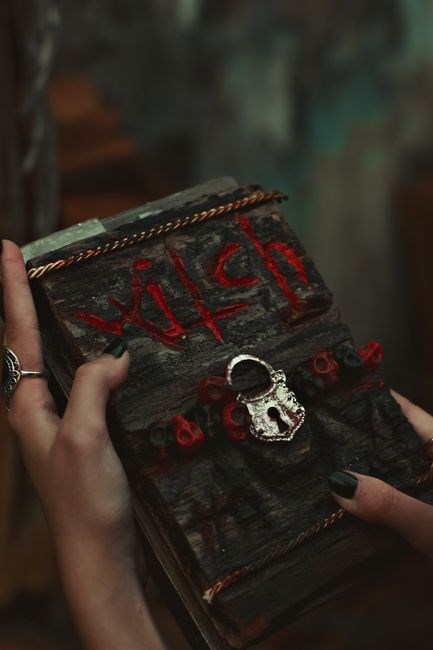
Twisted Hate’s unsettling narrative invites reflection on prejudice’s roots. Readers seeking deeper insight may explore works on identity‚ such as Invisible Man or 1984‚ and academic articles on hate psychology. Continued dialogue fosters understanding. A reflective journey. Explore. Now.
Impact and Suggested Follow‑Ups
Twisted Hate’s unsettling narrative forces readers to confront the roots of prejudice‚ illustrating how fear and misinformation can fester into societal divisions. The book’s vivid portrayal of a fractured community serves as a mirror‚ prompting introspection about personal biases and the broader cultural forces that shape them.
Impact extends beyond the page: educators can use the novel as a springboard for classroom debates on ethics‚ identity‚ and media influence. Community leaders might host discussion circles‚ encouraging participants to share experiences of discrimination and resilience‚ thereby fostering empathy and collective action.
Suggested follow‑ups include a comparative study with classic dystopian works such as 1984 and Brave New World‚ which interrogates authoritarian control and individual autonomy. Scholars may examine the psychological underpinnings of hate‚ drawing on research from social psychology and cognitive neuroscience to contextualize the novel’s themes. Its layered narrative invites readers question the roots of hatred redemption !
For those inclined toward activism‚ book’s themes can inform campaigns against hate crimes‚ prompting educational workshops that teach media literacy and conflict resolution. Readers can join forums or local book clubs to discuss how fiction shapes societal attitudes‚ thereby turning literary engagement into social change.